MSFS X-Plane
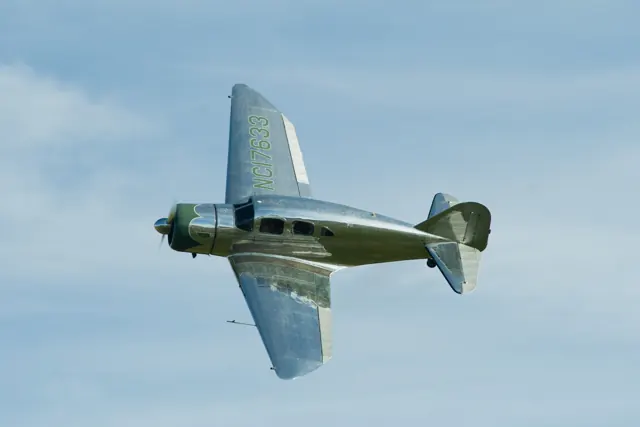
North American T-6 Texan ↗
An advanced trainer known around the world as the Texan, Harvard and SNJ.
2 implementations+ Compare
Explore the aircraft. Find your simulator. Follow the sources.
An advanced trainer known around the world as the Texan, Harvard and SNJ.
A stretched development of the DC-9 with rear-mounted engines and a five-abreast cabin.
A five-seat turbine helicopter developed from Robinson's smaller piston-helicopter line.
A compact utility helicopter distinguished by its enclosed Fenestron tail rotor.
A four-engine military turboprop designed to combine tactical access with long-distance transport.
Regional flying built around a high wing, two turboprops and short sectors.
A Canadian tandem-seat trainer developed after the Second World War.
A personal jet with one engine above the rear fuselage and a distinctive V-tail.
A late-1930s cabin aircraft with metal construction and retractable landing gear.
Piper's PA-31 utility twin, used in commuter, cargo and corporate transport.
Two related Dutch regional jets developed from the F28 lineage.
A carrier-capable multirole fighter, larger than the earlier Hornet from which it developed.
A midsize business jet developed by Bombardier’s Learjet division.
A compact aerobatic biplane family with both single-seat and tandem-seat branches.
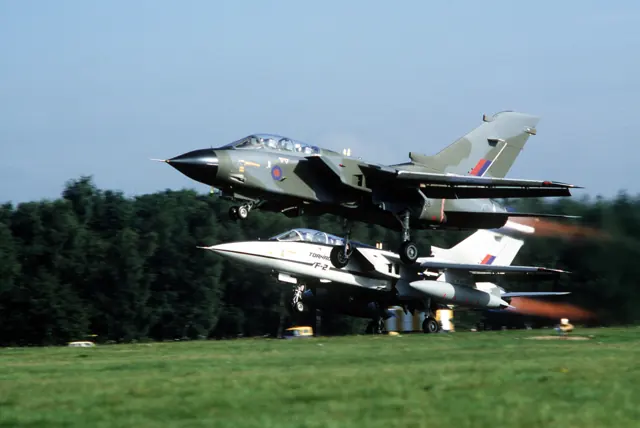
A European variable-sweep combat-aircraft family with distinct strike and interceptor versions.
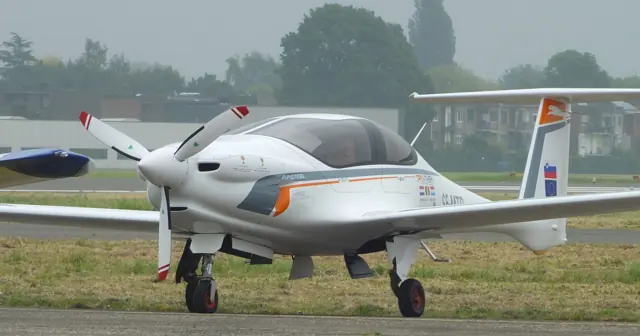
Pipistrel's streamlined four-seat composite-aircraft design.
A twin-radial military transport with a rear ramp and short-field design priorities.
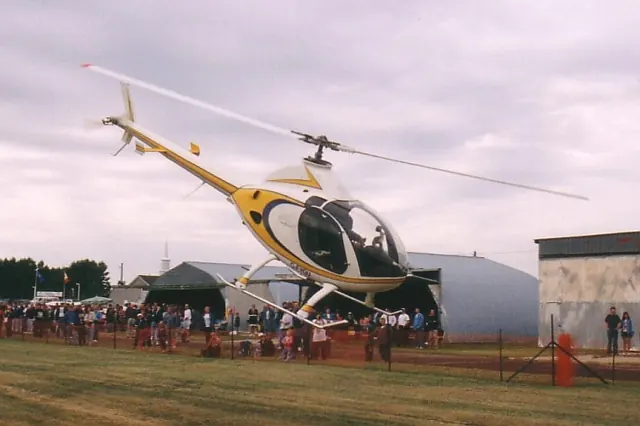
RotorWay's two-seat kit-helicopter family, with piston and turbine simulator interpretations.
Lockheed's tandem-seat Shooting Star jet trainer.
The purpose-built Ryan monoplane used by Charles Lindbergh for his 1927 solo Atlantic crossing.
A two-seat training single with a high wing and fixed tricycle landing gear.
A regional turboprop family whose short early versions and larger Q400 have different proportions and systems.
The four-engine Flying Fortress, a major American bomber of the Second World War.
The Wilga is the real-aircraft starting point for Mike Patey's DRACO and the simulator's DRACO X.
This is AirframeDB’s first release. More features and aircraft research are planned. Leave your email if you’d like occasional updates.