MSFS
Airbus A310-300 ↗
A shorter wide-body Airbus from the transition to two-pilot, electronic-instrument cockpits.
2 implementations+ Compare
Explore the aircraft. Find your simulator. Follow the sources.
A shorter wide-body Airbus from the transition to two-pilot, electronic-instrument cockpits.
A tandem-seat light aircraft with a streamlined low-wing layout.
A long-range twin whose programme emphasised composite construction and more electrically powered systems.
A two-seat naval fighter with variable-sweep wings and a cockpit built around pilot and radar-intercept officer roles.
A 1920s transport family that developed from a single-engine airliner into a trimotor.
A British jet trainer with tandem seating and a long military training career.
The Mitchell medium bomber, named for aviation advocate Billy Mitchell.
Epic's experimental light-jet project, represented in simulation by Aerobask.
A small observation-helicopter family with a rounded cabin and compact rotor system.
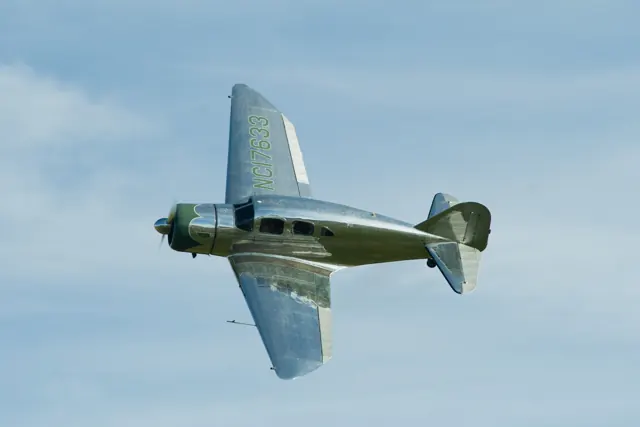
A late-1930s cabin aircraft with metal construction and retractable landing gear.
A four-engine airliner whose history also includes long-range maritime military service.
A cabin-class piston twin designed for commuter, cargo and utility work.
A lightweight short-field aircraft with a specialised wing and tall, shock-absorbing landing gear.
A short-field Savage with leading-edge slats and a distinct Got Friends simulator implementation.
A twin-engine business jet designed to retain some of the utility flexibility associated with the PC-12.
A compact two-seat light aircraft with a high wing and a wide range of development variants.
A modern medium twin-engine helicopter developed as a successor to the Dauphin line.
A large twin-engine helicopter from the Super Puma line, used for offshore and public-service work.
A two-seat training single with a high wing and fixed tricycle landing gear.
The purpose-built Ryan monoplane used by Charles Lindbergh for his 1927 solo Atlantic crossing.
A fixed-gear twin turboprop with a long history in regional and remote-area transport.
Tecnam's four-seat high-wing single, built with metal and carbon-fibre components.
A push-pull twin with one engine at each end of the central fuselage.
A family of single-aisle airliners built around sidesticks, electronic flight controls and a shared cockpit.
This is AirframeDB’s first release. More features and aircraft research are planned. Leave your email if you’d like occasional updates.