MSFS
Boeing 787-10 Dreamliner ↗
A long-range twin whose programme emphasised composite construction and more electrically powered systems.
2 implementations+ Compare
Explore the aircraft. Find your simulator. Follow the sources.
A long-range twin whose programme emphasised composite construction and more electrically powered systems.
A twin-aisle Boeing designed alongside the 757's generation of two-pilot flight decks.
Tecnam's four-seat high-wing single, built with metal and carbon-fibre components.
A streamlined light twin helicopter, with the later Bell 230 in the same family.
A British jet trainer with tandem seating and a long military training career.
A military transport developed from the DC-3, used for cargo, troops, parachuting and glider towing.
A four-seat kit-built touring aircraft that expanded the RV family beyond two-seat designs.
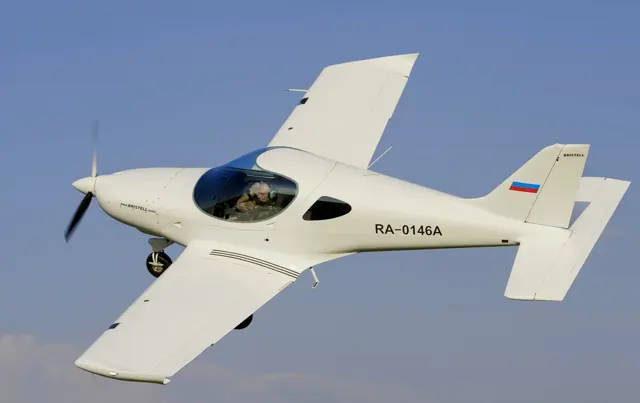
A tandem-seat light aircraft with a streamlined low-wing layout.
A hybrid-electric regional-airliner concept represented in the simulator while the real programme develops.
Cessna's retractable-gear Centurion, a high-wing touring aircraft.
The four-engine wide-body whose raised flight deck created one of aviation's most recognisable profiles.
The Model 525 CitationJet, the starting point of Cessna's CJ and M2 lineage.
An open-cockpit biplane trainer that found a second life in civilian flying.
A DC-10-derived tanker that combined aerial refuelling with passenger and cargo transport.
An enclosed-cabin development of the Bell 47, shaped for passenger and executive transport.
A twin-turboprop family whose smaller conventional-tail and larger T-tail branches have distinct identities.
BRM Aero's two-seat B23, represented in MSFS by Airfoillabs.
Airbus's first production aircraft, built around a twin-engine wide-body layout.
A fixed-wing observation aircraft with a helicopter-like view from its glazed nose.
A twin-engine business jet designed to retain some of the utility flexibility associated with the PC-12.
A cabin-class piston twin designed for commuter, cargo and utility work.
A modern medium twin-engine helicopter developed as a successor to the Dauphin line.
The Wilga is the real-aircraft starting point for Mike Patey's DRACO and the simulator's DRACO X.
A long-range fighter whose different engine and canopy developments produced several distinct forms.
This is AirframeDB’s first release. More features and aircraft research are planned. Leave your email if you’d like occasional updates.