MSFS X-Plane
North American T-6 Texan ↗
An advanced trainer known around the world as the Texan, Harvard and SNJ.
2 implementations+ Compare
Explore the aircraft. Find your simulator. Follow the sources.
An advanced trainer known around the world as the Texan, Harvard and SNJ.
A twin-engine business jet designed to retain some of the utility flexibility associated with the PC-12.
A tandem-seat light aircraft with a streamlined low-wing layout.
A short-haul jet family that evolved through several generations of engines, wings and flight decks.
A six-seat composite single turboprop with a pressurised cabin and retractable gear.
A twin-hull flying boat with its engines mounted together above the wing.
A stretched development of the DC-9 with rear-mounted engines and a five-abreast cabin.
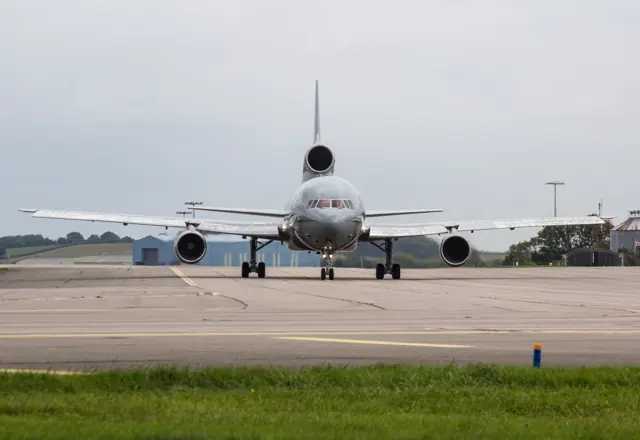
Lockheed's wide-body TriStar, with three RB211 engines and a distinctive tail intake.
A twin-turboprop utility aircraft developed by Reims Aviation with Cessna.
A four-seat touring family whose Commander 114 added a larger engine and further refinements.
A twin-turboprop regional airliner developed through Swedish and American industrial cooperation.
Cessna's retractable-gear Centurion, a high-wing touring aircraft.
A composite, low-wing touring single with fixed gear and a turbocharged engine.
A modern composite twin with a roomy cabin and two wing-mounted piston engines.
Mooney's four-seat piston family, developed through many touring-aircraft variants.
A military transport developed from the DC-3, used for cargo, troops, parachuting and glider towing.
A two-seat composite trainer with a low wing and a large canopy.
A side-by-side two-seat sailplane with a retractable powerplant for self-launching.
Piper's PA-31 utility twin, used in commuter, cargo and corporate transport.
A small twin-engine amphibian that moved from business transport into military and utility service.
A wooden touring-aircraft family recognisable by the upward-angled outer wing panels.
Ted Smith's piston twin, later produced by Piper as the Aerostar.
A heavy transport helicopter whose two large rotors remove the need for a tail rotor.
The second-generation Harrier, designed around vectored thrust and short-field operation.
This is AirframeDB’s first release. More features and aircraft research are planned. Leave your email if you’d like occasional updates.