MSFS
ICON A5 ↗
A two-seat light amphibian with a compact boat hull and a pusher propeller.
2 implementations+ Compare
Explore the aircraft. Find your simulator. Follow the sources.
A two-seat light amphibian with a compact boat hull and a pusher propeller.
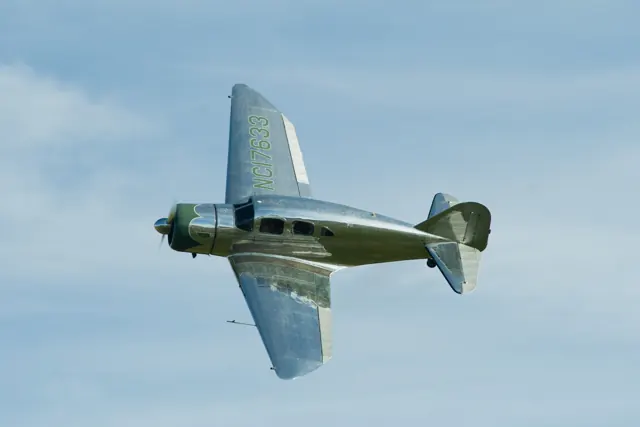
A late-1930s cabin aircraft with metal construction and retractable landing gear.
A five-seat turbine helicopter developed from Robinson's smaller piston-helicopter line.
A box-shaped utility twin whose cabin and rear access are central to its design.
A three-engine airliner that became a mainstay of Soviet and Russian passenger transport.
A radial-engined light transport whose long career covered passengers, freight and military training.
Regional flying built around a high wing, two turboprops and short sectors.
A compact aerobatic biplane family with both single-seat and tandem-seat branches.
Cessna's unusual piston-powered helicopter, marketed as the Skyhook.
A huge wooden flying-boat prototype that made one brief flight in 1947.
A lightweight pusher family with an enclosed cabin and a high, braced wing.
The H130 utility helicopter, descended from the AS350 and fitted with a Fenestron.
Beechcraft's Model 76, designed to introduce pilots to twin-engine flying.
A single-seat aerobatic monoplane that also became a familiar air-racing aircraft.
A high-wing utility turboprop designed for short-field passenger and cargo work.
A British utility twin built around short regional and practical transport work.
A vast inter-war flying boat with twelve engines arranged in six paired installations.
A four-engine jetliner that helped establish the shape of long-distance jet travel.
A carbon-fibre aerobatic monoplane family with a dedicated air-racing branch.
A pressurised touring twin whose piston and turbine-conversion versions make a particularly interesting comparison.
A twin-turboprop regional airliner developed through Swedish and American industrial cooperation.
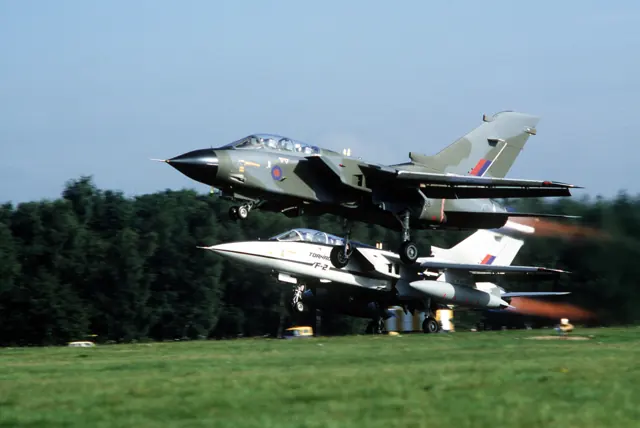
A European variable-sweep combat-aircraft family with distinct strike and interceptor versions.
A large twin-engine helicopter from the Super Puma line, used for offshore and public-service work.
A close-air-support aircraft with a straight wing, twin tail and two widely separated jet engines.
This is AirframeDB’s first release. More features and aircraft research are planned. Leave your email if you’d like occasional updates.