MSFS
De Havilland Canada DHC-4 Caribou ↗
A twin-radial military transport with a rear ramp and short-field design priorities.
1 implementations+ Compare
Explore the aircraft. Find your simulator. Follow the sources.
A twin-radial military transport with a rear ramp and short-field design priorities.
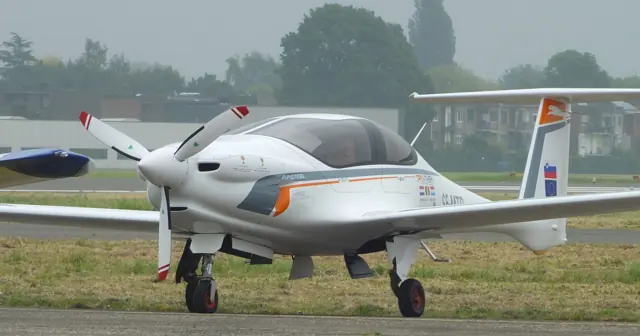
Pipistrel's streamlined four-seat composite-aircraft design.
A compact two-seat light aircraft with a high wing and a wide range of development variants.
A retractable-gear touring single with an all-metal airframe and a long-lived enthusiast following.
A carrier-capable multirole fighter, larger than the earlier Hornet from which it developed.
A two-seat Tecnam high-wing aircraft combining composite and metal construction.
A compact twin-engine transport helicopter with retractable gear and a long development history.
A personal jet with one engine above the rear fuselage and a distinctive V-tail.
A single-engine turboprop workhorse for passenger services, freight and remote-area transport.
A British utility twin built around short regional and practical transport work.
A tandem-seat light aircraft with a streamlined low-wing layout.
Diamond's four-seat light twin, developed with diesel-powered versions.
An Italian light aircraft known for military training and aerobatic use.
A lightweight pusher family with an enclosed cabin and a high, braced wing.
A specialised reconnaissance aircraft designed for very high altitude and sustained supersonic flight.
A pressurised touring twin whose piston and turbine-conversion versions make a particularly interesting comparison.
The four-engine wide-body whose raised flight deck created one of aviation's most recognisable profiles.
Regional flying built around a high wing, two turboprops and short sectors.
A hybrid-electric regional-airliner concept represented in the simulator while the real programme develops.
A light business jet with a swept wing, rear-mounted engines and an integrated flight deck.
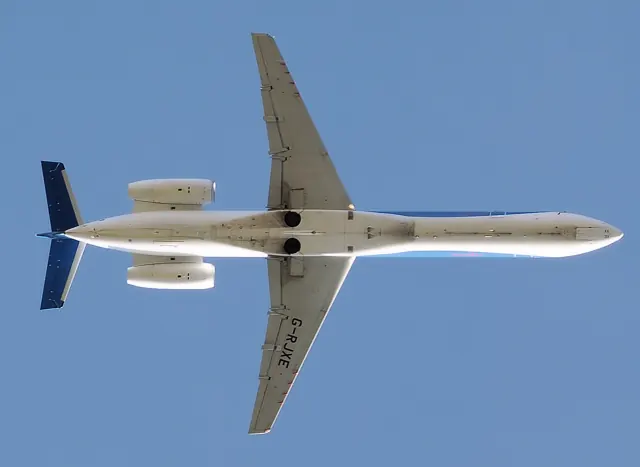
Embraer's regional-jet family, from the ERJ 135 to the longer ERJ 145.
A 1920s flying boat with two engines arranged in tandem above the wing.
A pressurised twin turboprop with a canard, composite airframe and rear-facing propellers.
A shorter wide-body Airbus from the transition to two-pilot, electronic-instrument cockpits.
This is AirframeDB’s first release. More features and aircraft research are planned. Leave your email if you’d like occasional updates.