MSFS X-Plane
BAe Hawk ↗
A British jet trainer with tandem seating and a long military training career.
2 implementations+ Compare
Explore the aircraft. Find your simulator. Follow the sources.
A British jet trainer with tandem seating and a long military training career.
A compact two-seat light aircraft with a high wing and a wide range of development variants.
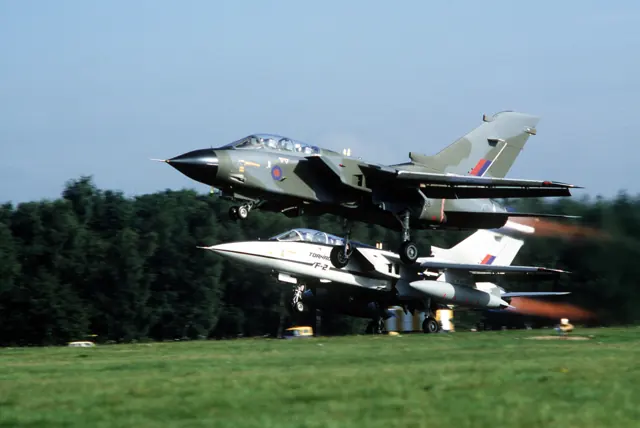
A European variable-sweep combat-aircraft family with distinct strike and interceptor versions.
A low-wing piston family that spans simple trainers, touring aircraft and retractable-gear Arrows.
A tandem two-seat sailplane family used for training and cross-country soaring.
A 1920s transport family that developed from a single-engine airliner into a trimotor.
The purpose-built Ryan monoplane used by Charles Lindbergh for his 1927 solo Atlantic crossing.
Diamond's four-seat light twin, developed with diesel-powered versions.
A fixed-gear twin turboprop with a long history in regional and remote-area transport.
A twin-aisle Boeing designed alongside the 757's generation of two-pilot flight decks.
A pioneering light helicopter whose bubble cabin and exposed structure became widely recognisable.
A narrow-body twin developed as a new generation of medium-range airliner.
A compact racing aeroplane built around a large radial engine and very short fuselage.
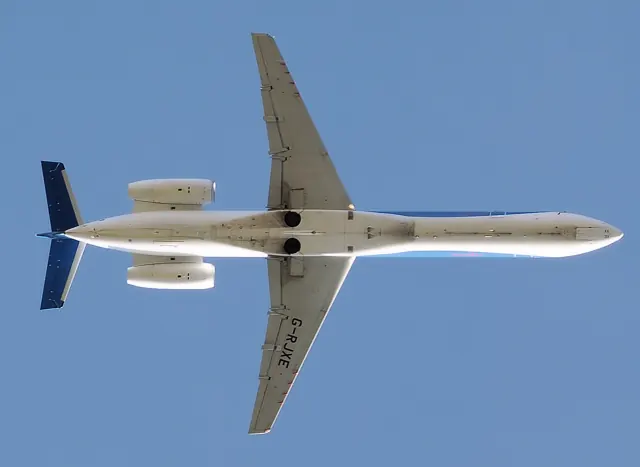
Embraer's regional-jet family, from the ERJ 135 to the longer ERJ 145.
Ted Smith's piston twin, later produced by Piper as the Aerostar.
A post-war Businessliner with a radial engine, cabin transport ambitions and tailwheel gear.
A military transport developed from the DC-3, used for cargo, troops, parachuting and glider towing.
A six-seat composite single turboprop with a pressurised cabin and retractable gear.
The JetRanger and LongRanger family: a familiar turbine-helicopter shape with distinct cabin lengths.
A Polish utility aircraft designed for short takeoffs and landings.
A two-seat naval fighter with variable-sweep wings and a cockpit built around pilot and radar-intercept officer roles.
A pressurised touring twin whose piston and turbine-conversion versions make a particularly interesting comparison.
The second-generation Harrier, designed around vectored thrust and short-field operation.
A shorter wide-body Airbus from the transition to two-pilot, electronic-instrument cockpits.
This is AirframeDB’s first release. More features and aircraft research are planned. Leave your email if you’d like occasional updates.