X-Plane
Boeing 757 ↗
A narrow-body twin developed as a new generation of medium-range airliner.
1 implementations+ Compare
Explore the aircraft. Find your simulator. Follow the sources.
A narrow-body twin developed as a new generation of medium-range airliner.
A compact Italian light twin with a shoulder wing and metal airframe.
A long-range fighter whose different engine and canopy developments produced several distinct forms.
A personal jet with one engine above the rear fuselage and a distinctive V-tail.
A six-seat composite single turboprop with a pressurised cabin and retractable gear.
A British jet trainer with tandem seating and a long military training career.
A high-wing utility turboprop designed for short-field passenger and cargo work.
A composite, low-wing touring single with fixed gear and a turbocharged engine.
A tandem-seat light aircraft with a streamlined low-wing layout.
A three-engine airliner that became a mainstay of Soviet and Russian passenger transport.
An advanced trainer known around the world as the Texan, Harvard and SNJ.
A pressurised single turboprop with a large cargo door and a broad range of working roles.
SOCATA's touring-aircraft family, including the Tobago and Trinidad.
A radial-engined utility aircraft closely associated with bush flying and float operations.
A DC-10-derived tanker that combined aerial refuelling with passenger and cargo transport.
A rear-engined trijet built to bring jet service to shorter routes and smaller airports.
A British utility twin built around short regional and practical transport work.
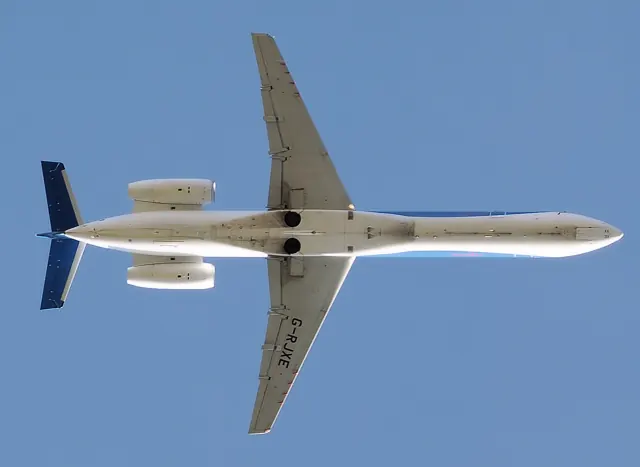
Embraer's regional-jet family, from the ERJ 135 to the longer ERJ 145.
A very light twin jet developed from the Eclipse 500.
A two-seat, twin-engine fighter that served naval and land-based air forces in many roles.
The four-engine Flying Fortress, a major American bomber of the Second World War.
A long-range trijet developed from the DC-10 with a stretched fuselage and revised wing and cockpit.
A two-seat composite trainer with a low wing and a large canopy.
A twin-turboprop family whose smaller conventional-tail and larger T-tail branches have distinct identities.
This is AirframeDB’s first release. More features and aircraft research are planned. Leave your email if you’d like occasional updates.