MSFS X-Plane
Boeing CH-47D Chinook ↗
A heavy transport helicopter whose two large rotors remove the need for a tail rotor.
2 implementations+ Compare
Explore the aircraft. Find your simulator. Follow the sources.
A heavy transport helicopter whose two large rotors remove the need for a tail rotor.
A radial-engined light transport whose long career covered passengers, freight and military training.
A hybrid-electric regional-airliner concept represented in the simulator while the real programme develops.
A pressurised touring twin whose piston and turbine-conversion versions make a particularly interesting comparison.
Tecnam's four-seat high-wing single, built with metal and carbon-fibre components.
A vast inter-war flying boat with twelve engines arranged in six paired installations.
A two-seat naval fighter with variable-sweep wings and a cockpit built around pilot and radar-intercept officer roles.
A small three-engine demonstrator created to explore technologies for a future supersonic airliner.
A long-range twin whose programme emphasised composite construction and more electrically powered systems.
A large twin-engine helicopter from the Super Puma line, used for offshore and public-service work.
Beechcraft's Model 76, designed to introduce pilots to twin-engine flying.
A pressurised single-engine turboprop family that combines a compact cabin with retractable gear.
A single-seat aerobatic monoplane that also became a familiar air-racing aircraft.
A push-pull twin with one engine at each end of the central fuselage.
A low-wing piston twin that carries the Beechcraft touring-aircraft lineage into two-engine flying.
A twin-turboprop utility aircraft developed by Reims Aviation with Cessna.
The CJ4 belongs to Cessna's light-jet line, with two rear-mounted engines and a T-tail.
A narrow-body twin developed as a new generation of medium-range airliner.
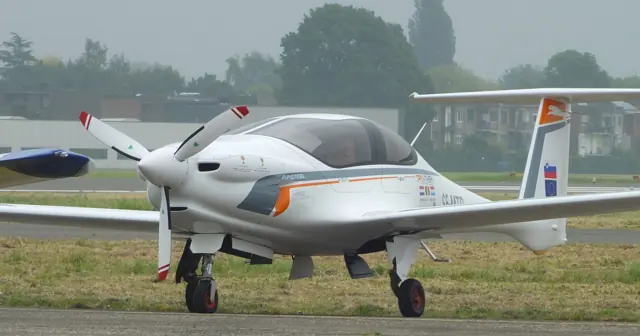
Pipistrel's streamlined four-seat composite-aircraft design.
An enclosed, two-seat autogyro with side-by-side seating and a pusher propeller.
A small twin-engine amphibian that moved from business transport into military and utility service.
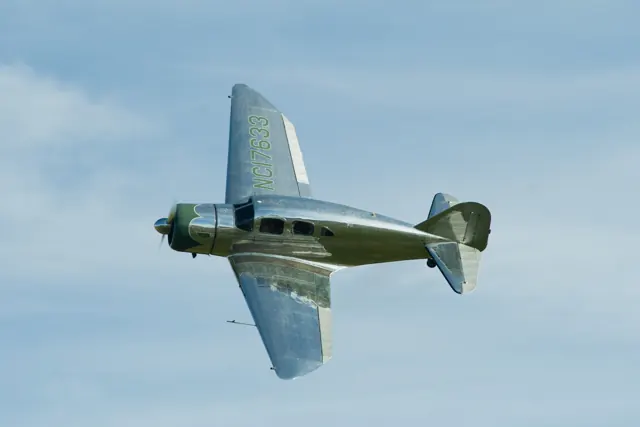
A late-1930s cabin aircraft with metal construction and retractable landing gear.
A jet-powered military transport designed for both strategic loads and tactical airfield access.
The Wilga is the real-aircraft starting point for Mike Patey's DRACO and the simulator's DRACO X.
This is AirframeDB’s first release. More features and aircraft research are planned. Leave your email if you’d like occasional updates.