X-Plane
Piper PA-31 Navajo ↗
Piper's PA-31 utility twin, used in commuter, cargo and corporate transport.
1 implementations+ Compare
Explore the aircraft. Find your simulator. Follow the sources.
Piper's PA-31 utility twin, used in commuter, cargo and corporate transport.
A two-seat composite kit aircraft developed from the Lancair 320.
A high-wing utility turboprop designed for short-field passenger and cargo work.
A compact Italian light twin with a shoulder wing and metal airframe.
A large amphibious flying boat built around maritime rescue and utility transport.
A British jet trainer with tandem seating and a long military training career.
A single-seat aerobatic monoplane that also became a familiar air-racing aircraft.
Tecnam's two-seat, low-wing Sierra, introduced in the early 2000s.
A medium commercial helicopter designed for passenger and utility transport.
A purpose-built agricultural aircraft that also became a single-engine air tanker.
A light business jet with a swept wing, rear-mounted engines and an integrated flight deck.
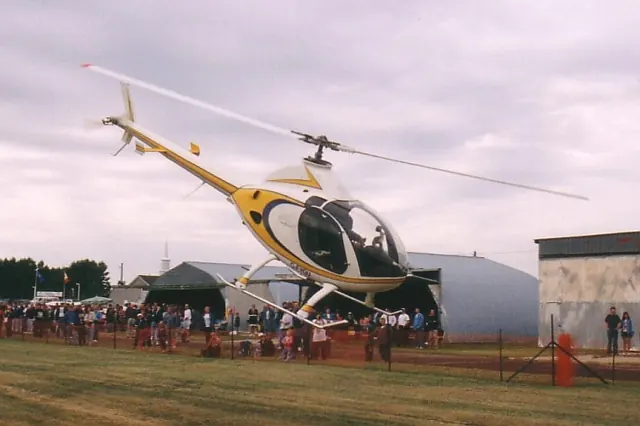
RotorWay's two-seat kit-helicopter family, with piston and turbine simulator interpretations.
A wartime fighter developed from the earlier Curtiss P-36.
A four-engine Airbus wide-body developed in parallel with the A330.
A low-wing piston twin that carries the Beechcraft touring-aircraft lineage into two-engine flying.
A compact aerobatic biplane family with both single-seat and tandem-seat branches.
A Brazilian light trainer with a high wing, tandem seats and a simple utility layout.
A Swedish reconnaissance and dive-bombing aircraft from the early 1940s.
The Model 525 CitationJet, the starting point of Cessna's CJ and M2 lineage.
An enclosed-cabin development of the Bell 47, shaped for passenger and executive transport.
A large twin-engine helicopter from the Super Puma line, used for offshore and public-service work.
A post-war Czech light twin with a rounded cabin and engines carried on a low wing.
An open-cockpit biplane trainer that found a second life in civilian flying.
A pressurised touring twin whose piston and turbine-conversion versions make a particularly interesting comparison.
This is AirframeDB’s first release. More features and aircraft research are planned. Leave your email if you’d like occasional updates.