X-Plane
McDonnell Douglas MD-11 ↗
A long-range trijet developed from the DC-10 with a stretched fuselage and revised wing and cockpit.
1 implementations+ Compare
Explore the aircraft. Find your simulator. Follow the sources.
A long-range trijet developed from the DC-10 with a stretched fuselage and revised wing and cockpit.
A cabin-class piston twin designed for commuter, cargo and utility work.
A twin-engine business jet designed to retain some of the utility flexibility associated with the PC-12.
A Polish utility aircraft designed for short takeoffs and landings.
A tandem two-seat sailplane designed for instruction and broader soaring use.
A fixed-gear twin turboprop with a long history in regional and remote-area transport.
A personal jet with one engine above the rear fuselage and a distinctive V-tail.
A French two-seat aerobatic trainer with side-by-side seating and a distinctive curved wing outline.
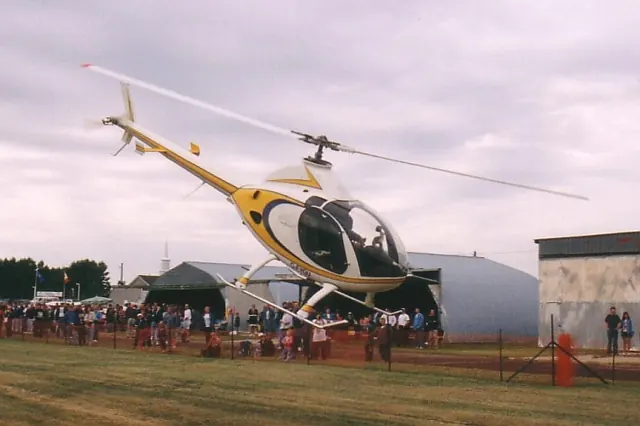
RotorWay's two-seat kit-helicopter family, with piston and turbine simulator interpretations.
A six-seat composite single turboprop with a pressurised cabin and retractable gear.
A radial-engined light transport whose long career covered passengers, freight and military training.
A jet-powered military transport designed for both strategic loads and tactical airfield access.
An enclosed-cabin development of the Bell 47, shaped for passenger and executive transport.
The Huey: a turbine-powered utility helicopter with a broad cabin and an unmistakable two-bladed rotor.
A regional turboprop family whose short early versions and larger Q400 have different proportions and systems.
A single-engine utility helicopter known as the Écureuil, Squirrel and AStar.
An unpowered military cargo glider designed to deliver troops and equipment behind a tow aircraft.
A heavy transport helicopter whose two large rotors remove the need for a tail rotor.
The purpose-built Ryan monoplane used by Charles Lindbergh for his 1927 solo Atlantic crossing.
A four-seat composite touring and training aircraft developed from Diamond's smaller two-seater.
A carrier-capable multirole fighter, larger than the earlier Hornet from which it developed.
A light tandem-seat taildragger built around the familiar braced high-wing layout.
A tailwheel utility single built around a high wing and a substantial working cabin.
A modern medium twin-engine helicopter developed as a successor to the Dauphin line.
This is AirframeDB’s first release. More features and aircraft research are planned. Leave your email if you’d like occasional updates.