MSFS
Bell 47 ↗
A pioneering light helicopter whose bubble cabin and exposed structure became widely recognisable.
1 implementations+ Compare
Explore the aircraft. Find your simulator. Follow the sources.
A pioneering light helicopter whose bubble cabin and exposed structure became widely recognisable.
A two-seat composite light-aircraft family with a high wing and a compact enclosed cabin.
A utility piston twin designed for commuter and specialist transport missions.
A small two-seat piston helicopter with a two-bladed main rotor.
A 1920s flying boat with two engines arranged in tandem above the wing.
A small observation-helicopter family with a rounded cabin and compact rotor system.
A twin-turbine Huey descendant with a four-blade main rotor.
A cabin-class piston twin designed for commuter, cargo and utility work.
A long-range fighter whose different engine and canopy developments produced several distinct forms.
A compact Italian light twin with a shoulder wing and metal airframe.
An enclosed-cabin development of the Bell 47, shaped for passenger and executive transport.
A single-seat competition sailplane offered in Standard and 18-metre configurations.
The JetRanger and LongRanger family: a familiar turbine-helicopter shape with distinct cabin lengths.
A pressurised four-engine piston transport from the last major generation before the jet airliner.
A four-engine Airbus wide-body developed in parallel with the A330.
Regional flying built around a high wing, two turboprops and short sectors.
A two-seat, twin-engine fighter that served naval and land-based air forces in many roles.
A radial-engine trainer that also served in combat and civilian warbird roles.
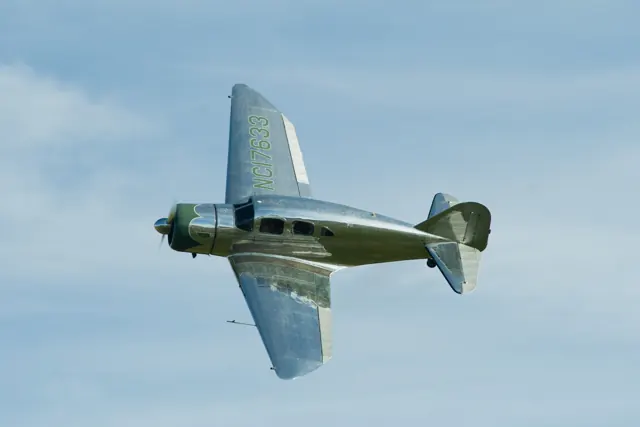
A late-1930s cabin aircraft with metal construction and retractable landing gear.
A small three-engine demonstrator created to explore technologies for a future supersonic airliner.
A British utility twin built around short regional and practical transport work.
A large long-haul twin that introduced Boeing's first commercial fly-by-wire airliner flight controls.
The purpose-built Ryan monoplane used by Charles Lindbergh for his 1927 solo Atlantic crossing.
A close-air-support aircraft with a straight wing, twin tail and two widely separated jet engines.
This is AirframeDB’s first release. More features and aircraft research are planned. Leave your email if you’d like occasional updates.