MSFS
Lockheed L-1011 TriStar ↗
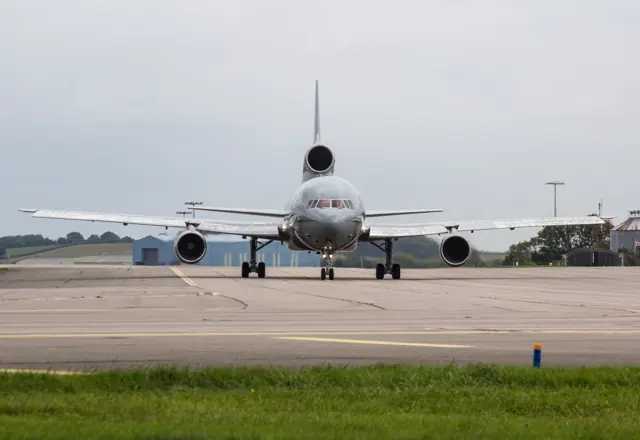
Lockheed's wide-body TriStar, with three RB211 engines and a distinctive tail intake.
1 implementations+ Compare
Explore the aircraft. Find your simulator. Follow the sources.
Lockheed's wide-body TriStar, with three RB211 engines and a distinctive tail intake.
A two-seat composite light-aircraft family with a high wing and a compact enclosed cabin.
A pressurised twin turboprop with a canard, composite airframe and rear-facing propellers.
A DC-10-derived tanker that combined aerial refuelling with passenger and cargo transport.
Dassault's long-range Falcon 8X, developed from the three-engine 7X.
A four-seat touring family whose Commander 114 added a larger engine and further refinements.
The four-engine Flying Fortress, a major American bomber of the Second World War.
A tandem two-seat sailplane family used for training and cross-country soaring.
A low-wing piston family that spans simple trainers, touring aircraft and retractable-gear Arrows.
A compact aerobatic biplane family with both single-seat and tandem-seat branches.
An open-cockpit biplane trainer that found a second life in civilian flying.
A Polish utility aircraft designed for short takeoffs and landings.
A close-air-support aircraft with a straight wing, twin tail and two widely separated jet engines.
A regional turboprop family whose short early versions and larger Q400 have different proportions and systems.
A four-engine tactical transport built around a rear loading ramp and access to austere airfields.
A heavy-lift helicopter built around an open frame and an external working load.
A heavy transport helicopter whose two large rotors remove the need for a tail rotor.
A two-seat Tecnam high-wing aircraft combining composite and metal construction.
A French two-seat aerobatic trainer with side-by-side seating and a distinctive curved wing outline.
A pioneering all-metal transport with an enclosed passenger cabin and corrugated skin.
A very light twin jet developed from the Eclipse 500.
A two-seat, twin-engine fighter that served naval and land-based air forces in many roles.
A tailwheel utility single built around a high wing and a substantial working cabin.
The purpose-built Ryan monoplane used by Charles Lindbergh for his 1927 solo Atlantic crossing.
This is AirframeDB’s first release. More features and aircraft research are planned. Leave your email if you’d like occasional updates.
































