X-Plane
PZL-104 Wilga ↗
A Polish utility aircraft designed for short takeoffs and landings.
1 implementations+ Compare
Explore the aircraft. Find your simulator. Follow the sources.
A Polish utility aircraft designed for short takeoffs and landings.
A twin-radial military transport with a rear ramp and short-field design priorities.
Piper's PA-31 utility twin, used in commuter, cargo and corporate transport.
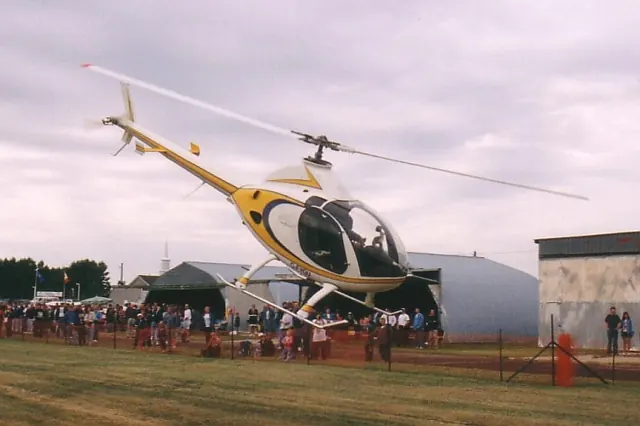
RotorWay's two-seat kit-helicopter family, with piston and turbine simulator interpretations.
A two-seat training single with a high wing and fixed tricycle landing gear.
A swept-wing business jet designed around high subsonic cruise speed.
A four-seat, pressurised kit aircraft with a composite airframe and retractable landing gear.
A vast inter-war flying boat with twelve engines arranged in six paired installations.
A full-length double-deck airliner built for very high passenger capacity.
Regional flying built around a high wing, two turboprops and short sectors.
A radial-engined utility aircraft closely associated with bush flying and float operations.
A low-wing agricultural Cessna with a cockpit and hopper arranged around the job.
An enclosed-cabin development of the Bell 47, shaped for passenger and executive transport.
A single-seat competition sailplane offered in Standard and 18-metre configurations.
A small three-engine demonstrator created to explore technologies for a future supersonic airliner.
A four-engine airliner that brought pressurised-cabin travel into scheduled service.
A wartime fighter developed from the earlier Curtiss P-36.
The Huey: a turbine-powered utility helicopter with a broad cabin and an unmistakable two-bladed rotor.
A long-haul twin whose family spans passenger, freight and specialist transport roles.
A close-air-support aircraft with a straight wing, twin tail and two widely separated jet engines.
A tailwheel utility single built around a high wing and a substantial working cabin.
A shorter wide-body Airbus from the transition to two-pilot, electronic-instrument cockpits.
A 1920s flying boat with two engines arranged in tandem above the wing.
A stretched development of the DC-9 with rear-mounted engines and a five-abreast cabin.
This is AirframeDB’s first release. More features and aircraft research are planned. Leave your email if you’d like occasional updates.