MSFS X-Plane
Beechcraft King Air family ↗
A twin-turboprop family whose smaller conventional-tail and larger T-tail branches have distinct identities.
7 implementations+ Compare
Explore the aircraft. Find your simulator. Follow the sources.
A twin-turboprop family whose smaller conventional-tail and larger T-tail branches have distinct identities.
Beechcraft's Model 76, designed to introduce pilots to twin-engine flying.
A pressurised twin turboprop with a canard, composite airframe and rear-facing propellers.
A low-wing piston twin that carries the Beechcraft touring-aircraft lineage into two-engine flying.
A 1920s flying boat with two engines arranged in tandem above the wing.
A French two-seat aerobatic trainer with side-by-side seating and a distinctive curved wing outline.
A wooden touring-aircraft family recognisable by the upward-angled outer wing panels.
A long-range fighter whose different engine and canopy developments produced several distinct forms.
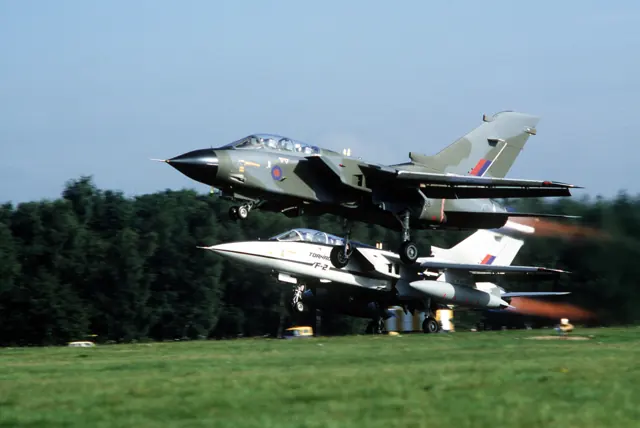
A European variable-sweep combat-aircraft family with distinct strike and interceptor versions.
An unpowered military cargo glider designed to deliver troops and equipment behind a tow aircraft.
A close-air-support aircraft with a straight wing, twin tail and two widely separated jet engines.
A very large single-engine biplane designed for practical work from modest airfields.
A tandem-seat homebuilt jet with composite construction and retractable landing gear.
A compact rear-engined jet designed for short-haul regional airline work.
A post-war Czech light twin with a rounded cabin and engines carried on a low wing.
A fixed-gear twin turboprop with a long history in regional and remote-area transport.
A cabin biplane with the lower wing placed ahead of the upper one.
A twin-turboprop regional airliner developed through Swedish and American industrial cooperation.
A medium commercial helicopter designed for passenger and utility transport.
The fixed-gear, six-cylinder touring branch of Piper's PA-28 family.
A four-bladed utility helicopter developed from the LongRanger lineage.
A long-range twin whose programme emphasised composite construction and more electrically powered systems.
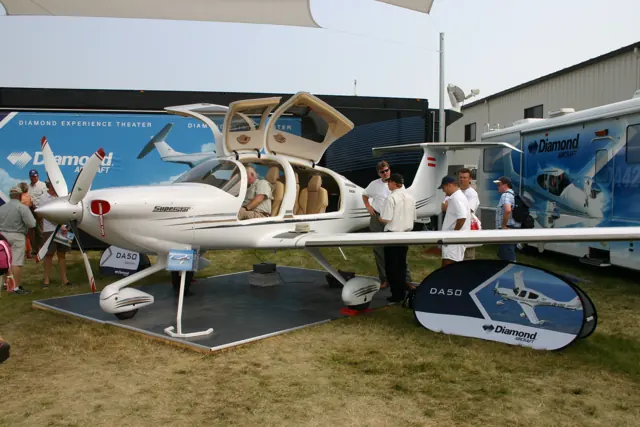
A five-seat composite single whose development led to the diesel DA50 RG.
A long-range trijet developed from the DC-10 with a stretched fuselage and revised wing and cockpit.
This is AirframeDB’s first release. More features and aircraft research are planned. Leave your email if you’d like occasional updates.