MSFS
Aérospatiale Gazelle ↗
A compact utility helicopter distinguished by its enclosed Fenestron tail rotor.
1 implementations+ Compare
Explore the aircraft. Find your simulator. Follow the sources.
A compact utility helicopter distinguished by its enclosed Fenestron tail rotor.
A four-seat kit-built touring aircraft that expanded the RV family beyond two-seat designs.
Piper's PA-31 utility twin, used in commuter, cargo and corporate transport.
A long-range twin designed around a new wide-body airframe and extensive composite construction.
A light turbine helicopter whose land-based Scout and naval Wasp branches served different jobs.
A jet-powered military transport designed for both strategic loads and tactical airfield access.
A hybrid-electric regional-airliner concept represented in the simulator while the real programme develops.
A specialised reconnaissance aircraft designed for very high altitude and sustained supersonic flight.
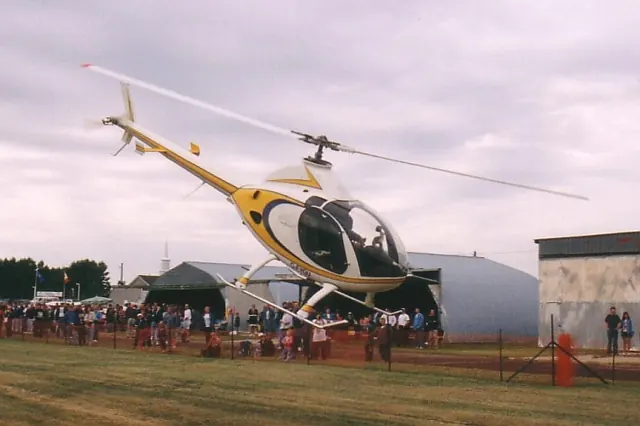
RotorWay's two-seat kit-helicopter family, with piston and turbine simulator interpretations.
The Huey: a turbine-powered utility helicopter with a broad cabin and an unmistakable two-bladed rotor.
A three-engine airliner that became a mainstay of Soviet and Russian passenger transport.
A corrugated-metal, three-engine transport from the formative years of airline travel.
A purpose-built aerobatic monoplane family developed by pilot and designer Walter Extra.
A 1920s transport family that developed from a single-engine airliner into a trimotor.
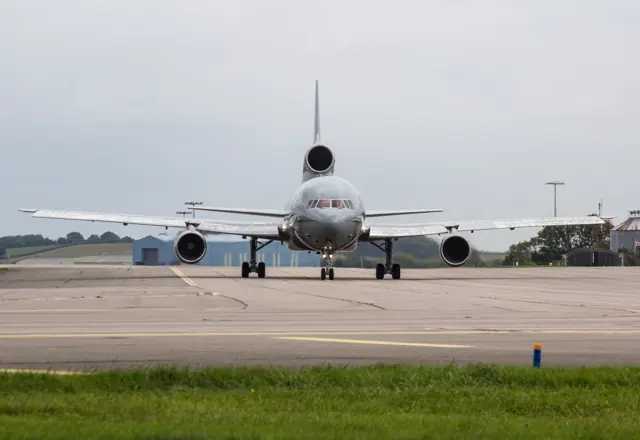
Lockheed's wide-body TriStar, with three RB211 engines and a distinctive tail intake.
A very light twin jet developed from the Eclipse 500.
An unpowered military cargo glider designed to deliver troops and equipment behind a tow aircraft.
A modern utility single whose family includes both tailwheel and nosewheel configurations.
A six-engine heavy transport created for exceptionally large external and internal loads.
Airbus's first production aircraft, built around a twin-engine wide-body layout.
A twin-turboprop family whose smaller conventional-tail and larger T-tail branches have distinct identities.
A shorter wide-body Airbus from the transition to two-pilot, electronic-instrument cockpits.
Diamond's four-seat light twin, developed with diesel-powered versions.
A two-seat composite kit aircraft developed from the Lancair 320.
This is AirframeDB’s first release. More features and aircraft research are planned. Leave your email if you’d like occasional updates.