MSFS
Pipistrel Taurus M ↗
A side-by-side two-seat sailplane with a retractable powerplant for self-launching.
1 implementations+ Compare
Explore the aircraft. Find your simulator. Follow the sources.
A side-by-side two-seat sailplane with a retractable powerplant for self-launching.
A purpose-built aerobatic monoplane family developed by pilot and designer Walter Extra.
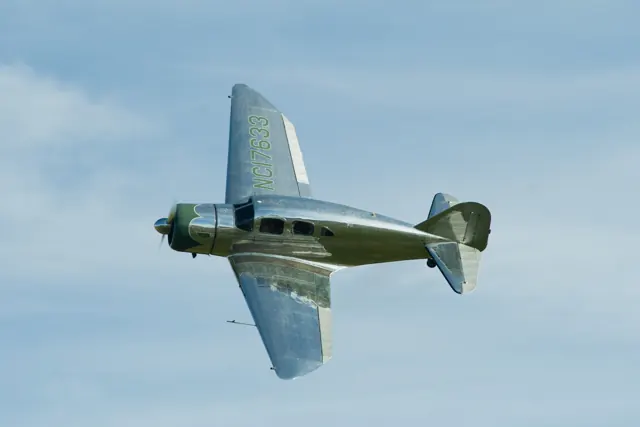
A late-1930s cabin aircraft with metal construction and retractable landing gear.
A long-range twin whose programme emphasised composite construction and more electrically powered systems.
A compact utility helicopter distinguished by its enclosed Fenestron tail rotor.
A modern medium twin-engine helicopter developed as a successor to the Dauphin line.
A midsize business jet developed by Bombardier’s Learjet division.
A four-seat, pressurised kit aircraft with a composite airframe and retractable landing gear.
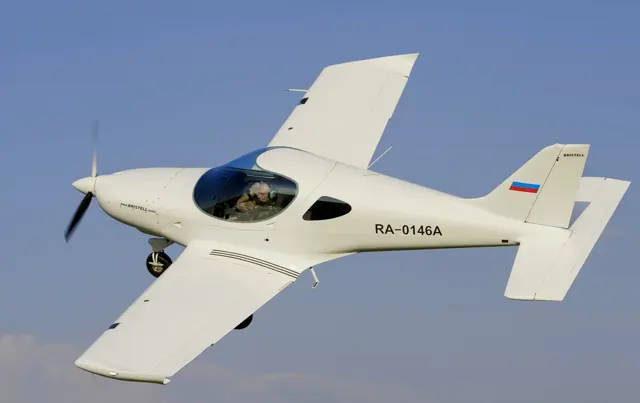
BRM Aero's two-seat B23, represented in MSFS by Airfoillabs.
A utility piston twin designed for commuter and specialist transport missions.
A four-seat high-wing single that spans generations of conventional instruments and glass cockpits.
Cirrus's first type-certified aircraft, a composite piston single.
A large long-haul twin that introduced Boeing's first commercial fly-by-wire airliner flight controls.
A regional jet family with four small engines, a high wing and a large split tail airbrake.
A radial-engine trainer that also served in combat and civilian warbird roles.
An all-metal sport and touring aircraft from Bayerische Flugzeugwerke.
An open-cockpit biplane trainer that found a second life in civilian flying.
A large twin-radial transport that carried heavy loads through wartime and post-war freight service.
The four-engine wide-body whose raised flight deck created one of aviation's most recognisable profiles.
A family of single-aisle airliners built around sidesticks, electronic flight controls and a shared cockpit.
A large twin-engine helicopter from the Super Puma line, used for offshore and public-service work.
A small observation-helicopter family with a rounded cabin and compact rotor system.
The second-generation Harrier, designed around vectored thrust and short-field operation.
The Stationair utility family, combining a high wing with fixed landing gear.
This is AirframeDB’s first release. More features and aircraft research are planned. Leave your email if you’d like occasional updates.