MSFS
Ryan NYP “Spirit of St. Louis” ↗
The purpose-built Ryan monoplane used by Charles Lindbergh for his 1927 solo Atlantic crossing.
2 implementations+ Compare
Explore the aircraft. Find your simulator. Follow the sources.
The purpose-built Ryan monoplane used by Charles Lindbergh for his 1927 solo Atlantic crossing.
A jet-powered military transport designed for both strategic loads and tactical airfield access.
A small observation-helicopter family with a rounded cabin and compact rotor system.
A streamlined light twin helicopter, with the later Bell 230 in the same family.
An enclosed-cabin development of the Bell 47, shaped for passenger and executive transport.
A light turbine helicopter combining an Alouette II airframe with more powerful Alouette III components.
A cabin biplane with the lower wing placed ahead of the upper one.
A large amphibious flying boat built around maritime rescue and utility transport.
A composite, low-wing touring single with fixed gear and a turbocharged engine.
A four-engine military turboprop designed to combine tactical access with long-distance transport.
A compact twin-engine transport helicopter with retractable gear and a long development history.
The second-generation Harrier, designed around vectored thrust and short-field operation.
A large twin-engine helicopter from the Super Puma line, used for offshore and public-service work.
A pressurised twin turboprop with a canard, composite airframe and rear-facing propellers.
A carbon-fibre aerobatic monoplane family with a dedicated air-racing branch.
A wide-cabin business-jet family that developed from Canadair's original Challenger programme.
A Brazilian light trainer with a high wing, tandem seats and a simple utility layout.
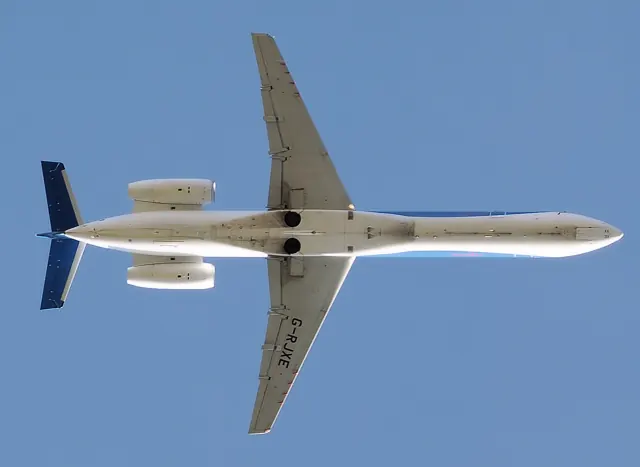
Embraer's regional-jet family, from the ERJ 135 to the longer ERJ 145.
A very large single-engine biplane designed for practical work from modest airfields.
Cessna's unusual piston-powered helicopter, marketed as the Skyhook.
A high-wing utility aircraft known for short-field work and a broad choice of working configurations.
The Wilga is the real-aircraft starting point for Mike Patey's DRACO and the simulator's DRACO X.
The four-engine wide-body whose raised flight deck created one of aviation's most recognisable profiles.
A four-seat high-wing single that spans generations of conventional instruments and glass cockpits.
This is AirframeDB’s first release. More features and aircraft research are planned. Leave your email if you’d like occasional updates.