MSFS X-Plane
Embraer E-Jets ↗
A four-abreast regional-jet family spanning the E170, E175, E190 and E195.
2 implementations+ Compare
Explore the aircraft. Find your simulator. Follow the sources.
A four-abreast regional-jet family spanning the E170, E175, E190 and E195.
A compact Japanese twin turboprop with a high wing and pressurised cabin.
A composite, low-wing touring single with fixed gear and a turbocharged engine.
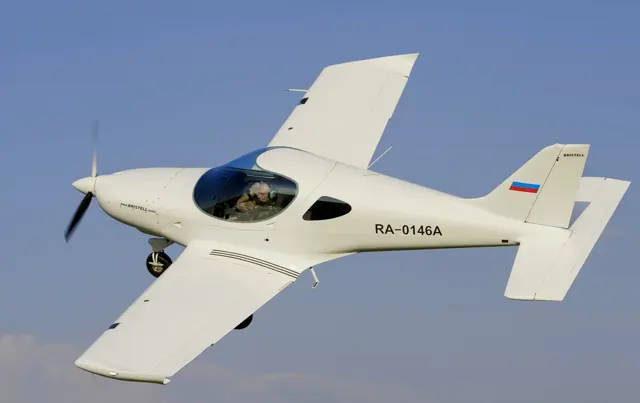
BRM Aero's two-seat B23, represented in MSFS by Airfoillabs.
A purpose-built aerobatic monoplane family developed by pilot and designer Walter Extra.
Piper's PA-31 utility twin, used in commuter, cargo and corporate transport.
A six-seat composite single turboprop with a pressurised cabin and retractable gear.
A tandem-seat jet trainer that also found a second life in civilian display and racing.
A post-war Czech light twin with a rounded cabin and engines carried on a low wing.
A post-war Businessliner with a radial engine, cabin transport ambitions and tailwheel gear.
The Wilga is the real-aircraft starting point for Mike Patey's DRACO and the simulator's DRACO X.
A six-engine heavy transport created for exceptionally large external and internal loads.
A French two-seat aerobatic trainer with side-by-side seating and a distinctive curved wing outline.
A 1920s flying boat with two engines arranged in tandem above the wing.
A single-seat aerobatic monoplane that also became a familiar air-racing aircraft.
A radial-engined utility aircraft closely associated with bush flying and float operations.
A four-seat, pressurised kit aircraft with a composite airframe and retractable landing gear.
The CJ4 belongs to Cessna's light-jet line, with two rear-mounted engines and a T-tail.
A four-engine tactical transport built around a rear loading ramp and access to austere airfields.
Epic's experimental light-jet project, represented in simulation by Aerobask.
A corrugated-metal, three-engine transport from the formative years of airline travel.
A compact rear-engined jet designed for short-haul regional airline work.
A heavy transport helicopter whose two large rotors remove the need for a tail rotor.
A wooden touring-aircraft family recognisable by the upward-angled outer wing panels.
This is AirframeDB’s first release. More features and aircraft research are planned. Leave your email if you’d like occasional updates.