MSFS
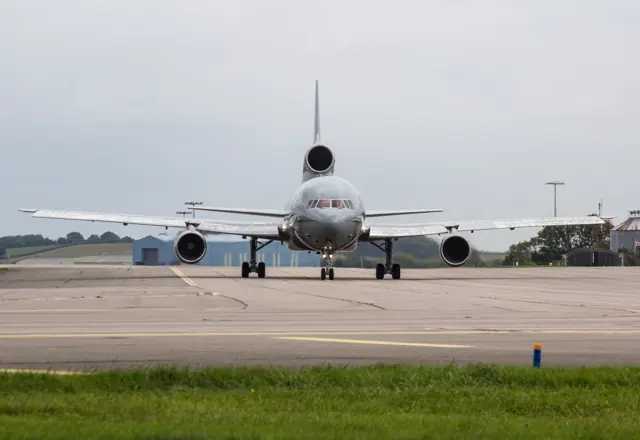
Lockheed L-1011 TriStar ↗
Lockheed's wide-body TriStar, with three RB211 engines and a distinctive tail intake.
1 implementations+ Compare
Explore the aircraft. Find your simulator. Follow the sources.
Lockheed's wide-body TriStar, with three RB211 engines and a distinctive tail intake.
A full-length double-deck airliner built for very high passenger capacity.
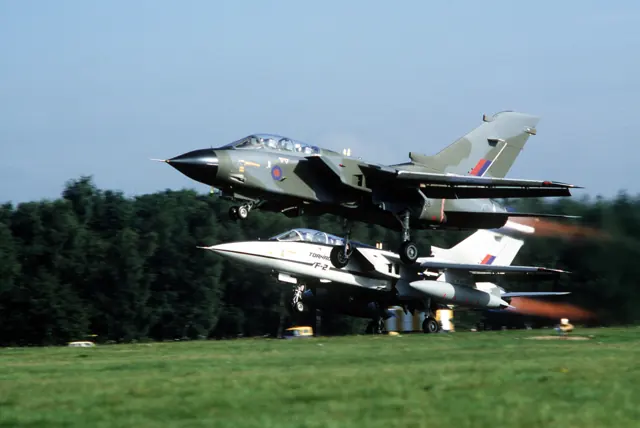
A European variable-sweep combat-aircraft family with distinct strike and interceptor versions.
A radial-engine trainer that also served in combat and civilian warbird roles.
Mooney's four-seat piston family, developed through many touring-aircraft variants.
A hybrid-electric regional-airliner concept represented in the simulator while the real programme develops.
A four-engine airliner that brought pressurised-cabin travel into scheduled service.
A British utility twin built around short regional and practical transport work.
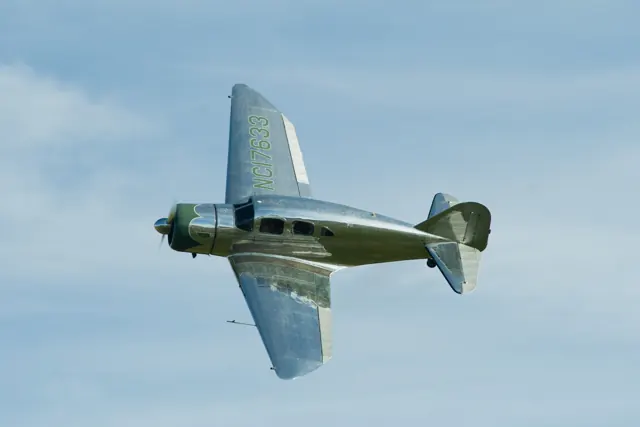
A late-1930s cabin aircraft with metal construction and retractable landing gear.
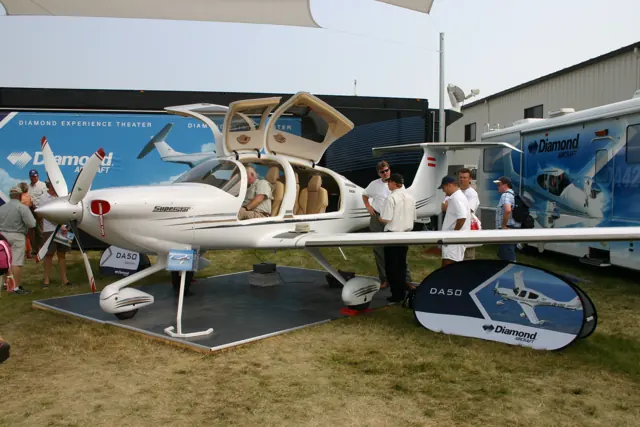
A five-seat composite single whose development led to the diesel DA50 RG.
A short-field Savage with leading-edge slats and a distinct Got Friends simulator implementation.
A small three-engine demonstrator created to explore technologies for a future supersonic airliner.
A post-war Businessliner with a radial engine, cabin transport ambitions and tailwheel gear.
A composite, low-wing touring single with fixed gear and a turbocharged engine.
The H130 utility helicopter, descended from the AS350 and fitted with a Fenestron.
A vast inter-war flying boat with twelve engines arranged in six paired installations.
A corrugated-metal transport best known in its three-engine form.
An open-cockpit biplane trainer that found a second life in civilian flying.
A pioneering all-metal transport with an enclosed passenger cabin and corrugated skin.
A high-wing twin turboprop developed for regional freight and passenger transport.
A post-war Czech light twin with a rounded cabin and engines carried on a low wing.
A four-seat touring family whose Commander 114 added a larger engine and further refinements.
An enclosed, two-seat autogyro with side-by-side seating and a pusher propeller.
A Canadian tandem-seat trainer developed after the Second World War.
This is AirframeDB’s first release. More features and aircraft research are planned. Leave your email if you’d like occasional updates.