X-Plane
Eclipse 550 ↗
A very light twin jet developed from the Eclipse 500.
1 implementations+ Compare
Explore the aircraft. Find your simulator. Follow the sources.
A very light twin jet developed from the Eclipse 500.
A utility-aircraft family whose stretched 207 branch trades compact proportions for more cabin space.
A pressurised single turboprop with a large cargo door and a broad range of working roles.
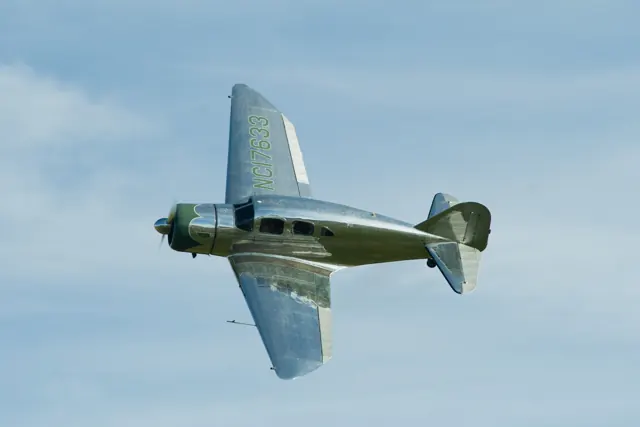
A late-1930s cabin aircraft with metal construction and retractable landing gear.
A two-seat training single with a high wing and fixed tricycle landing gear.
A composite amphibian that carries Dornier's centreline engine arrangement into the turboprop era.
A light tandem-seat taildragger built around the familiar braced high-wing layout.
A push-pull twin with one engine at each end of the central fuselage.
A large amphibious flying boat built around maritime rescue and utility transport.
A two-seat composite light-aircraft family with a high wing and a compact enclosed cabin.
A four-seat, pressurised kit aircraft with a composite airframe and retractable landing gear.
A compact utility helicopter distinguished by its enclosed Fenestron tail rotor.
A two-seat composite trainer with a low wing and a large canopy.
A twin-radial military transport with a rear ramp and short-field design priorities.
Lockheed's tandem-seat Shooting Star jet trainer.
A four-abreast regional-jet family spanning the E170, E175, E190 and E195.
A long-range twin whose programme emphasised composite construction and more electrically powered systems.
Airbus's first production aircraft, built around a twin-engine wide-body layout.
The four-engine Flying Fortress, a major American bomber of the Second World War.
A modern medium twin-engine helicopter developed as a successor to the Dauphin line.
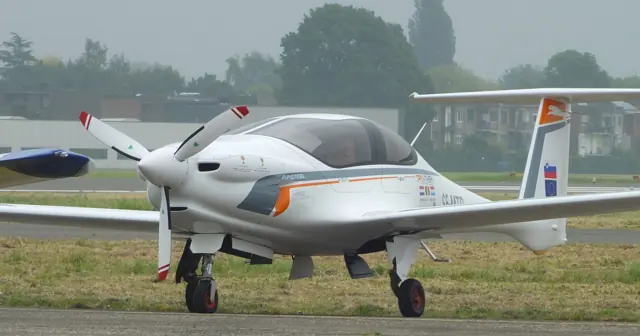
Pipistrel's streamlined four-seat composite-aircraft design.
The Wilga is the real-aircraft starting point for Mike Patey's DRACO and the simulator's DRACO X.
A pioneering light helicopter whose bubble cabin and exposed structure became widely recognisable.
A post-war Businessliner with a radial engine, cabin transport ambitions and tailwheel gear.
This is AirframeDB’s first release. More features and aircraft research are planned. Leave your email if you’d like occasional updates.