MSFS X-Plane
Cessna 152 / Aerobat ↗
A two-seat training single with a high wing and fixed tricycle landing gear.
5 implementations+ Compare
Explore the aircraft. Find your simulator. Follow the sources.
A two-seat training single with a high wing and fixed tricycle landing gear.
The Model 525 CitationJet, the starting point of Cessna's CJ and M2 lineage.
A five-seat composite single whose development led to the diesel DA50 RG.
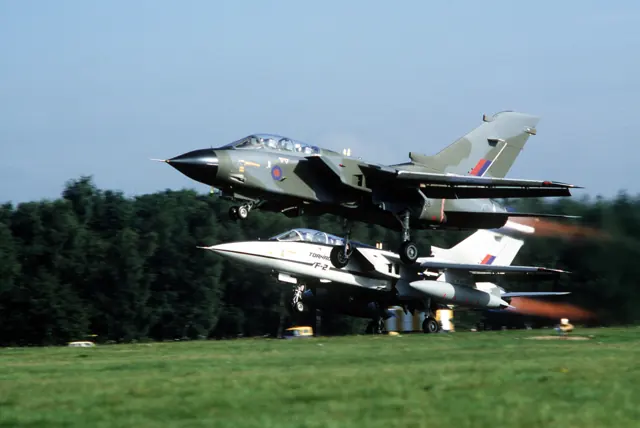
A European variable-sweep combat-aircraft family with distinct strike and interceptor versions.
The four-engine wide-body whose raised flight deck created one of aviation's most recognisable profiles.
Cirrus's first type-certified aircraft, a composite piston single.
A twin-aisle Boeing designed alongside the 757's generation of two-pilot flight decks.
A wide-cabin business-jet family that developed from Canadair's original Challenger programme.
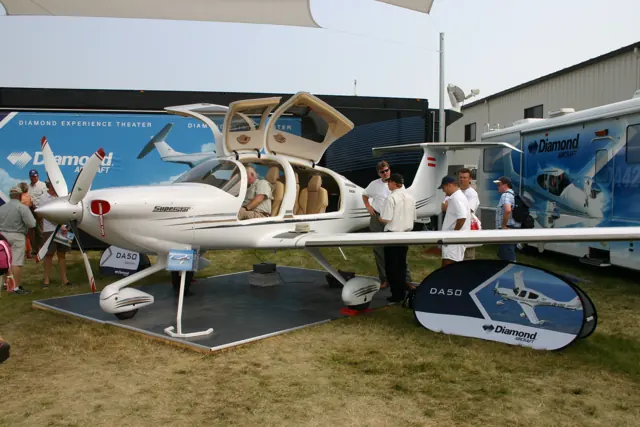
A two-seat composite trainer with a low wing and a large canopy.
A Canadian tandem-seat trainer developed after the Second World War.
A single-engine turboprop workhorse for passenger services, freight and remote-area transport.
The four-engine Flying Fortress, a major American bomber of the Second World War.
A four-seat, pressurised kit aircraft with a composite airframe and retractable landing gear.
Avro's delta-wing bomber, developed for Britain's postwar strategic force.
A radial-engine trainer that also served in combat and civilian warbird roles.
A personal jet with one engine above the rear fuselage and a distinctive V-tail.
Cessna's retractable-gear Centurion, a high-wing touring aircraft.
A two-seat composite kit aircraft developed from the Lancair 320.
A long-range trijet developed from the DC-10 with a stretched fuselage and revised wing and cockpit.
A long-running touring single, familiar in both V-tail and conventional-tail forms.
A tandem-seat homebuilt jet with composite construction and retractable landing gear.
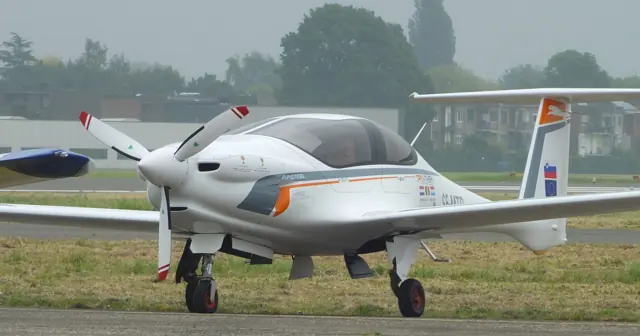
Pipistrel's streamlined four-seat composite-aircraft design.
A four-abreast regional-jet family spanning the E170, E175, E190 and E195.
A wooden touring-aircraft family recognisable by the upward-angled outer wing panels.
This is AirframeDB’s first release. More features and aircraft research are planned. Leave your email if you’d like occasional updates.