MSFS
Bell UH-1 Huey ↗
The Huey: a turbine-powered utility helicopter with a broad cabin and an unmistakable two-bladed rotor.
2 implementations+ Compare
Explore the aircraft. Find your simulator. Follow the sources.
The Huey: a turbine-powered utility helicopter with a broad cabin and an unmistakable two-bladed rotor.
Regional flying built around a high wing, two turboprops and short sectors.
A two-seat composite light-aircraft family with a high wing and a compact enclosed cabin.
A cabin biplane with the lower wing placed ahead of the upper one.
A push-pull twin with one engine at each end of the central fuselage.
A compact aerobatic biplane family with both single-seat and tandem-seat branches.
A corrugated-metal transport best known in its three-engine form.
A twin-turboprop utility aircraft developed by Reims Aviation with Cessna.
A corrugated-metal, three-engine transport from the formative years of airline travel.
A very light twin jet developed from the Eclipse 500.
Tecnam's two-seat, low-wing Sierra, introduced in the early 2000s.
A twin-engine utility helicopter with roots in the BK 117 and EC145 families.
Cirrus's first type-certified aircraft, a composite piston single.
Diamond's four-seat light twin, developed with diesel-powered versions.
A midsize business jet developed by Bombardier’s Learjet division.
A short-field Savage with leading-edge slats and a distinct Got Friends simulator implementation.
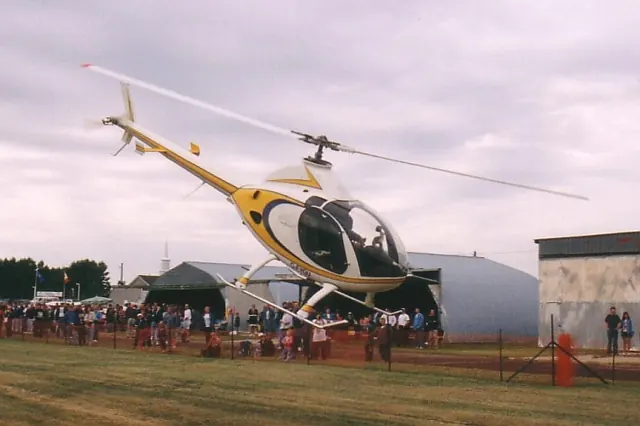
RotorWay's two-seat kit-helicopter family, with piston and turbine simulator interpretations.
A huge wooden flying-boat prototype that made one brief flight in 1947.
A long-range trijet developed from the DC-10 with a stretched fuselage and revised wing and cockpit.
A low-wing agricultural Cessna with a cockpit and hopper arranged around the job.
A fixed-wing observation aircraft with a helicopter-like view from its glazed nose.
A tandem two-seat sailplane family used for training and cross-country soaring.
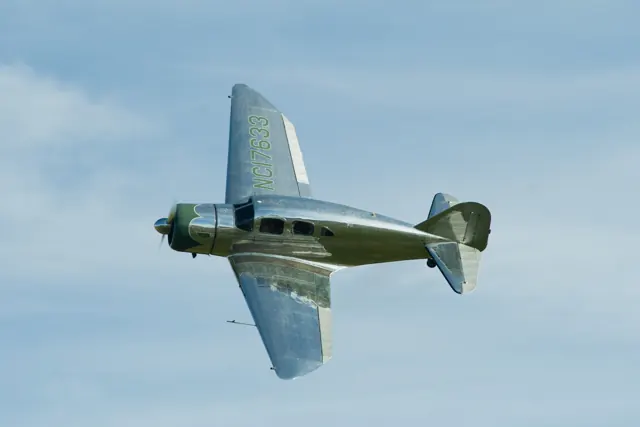
A late-1930s cabin aircraft with metal construction and retractable landing gear.
A box-shaped utility twin whose cabin and rear access are central to its design.
This is AirframeDB’s first release. More features and aircraft research are planned. Leave your email if you’d like occasional updates.