X-Plane
Cessna 206 Stationair ↗
The Stationair utility family, combining a high wing with fixed landing gear.
1 implementations+ Compare
Explore the aircraft. Find your simulator. Follow the sources.
The Stationair utility family, combining a high wing with fixed landing gear.
A heavy transport helicopter whose two large rotors remove the need for a tail rotor.
A cabin-class piston twin designed for commuter, cargo and utility work.
A cabin biplane with the lower wing placed ahead of the upper one.
A pioneering light helicopter whose bubble cabin and exposed structure became widely recognisable.
A vast inter-war flying boat with twelve engines arranged in six paired installations.
A Swedish reconnaissance and dive-bombing aircraft from the early 1940s.
A two-seat training single with a high wing and fixed tricycle landing gear.
A 1920s flying boat with two engines arranged in tandem above the wing.
A very light twin jet developed from the Eclipse 500.
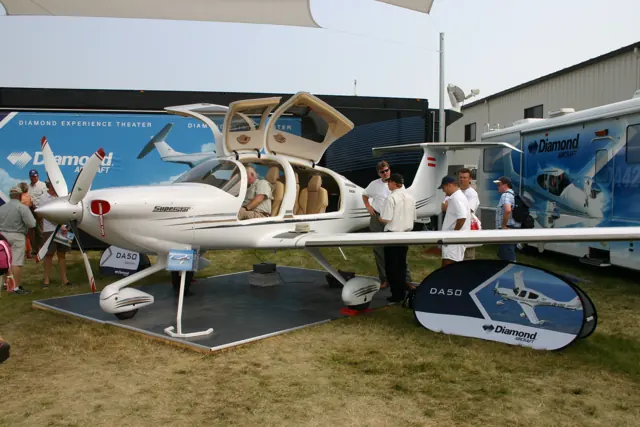
A five-seat composite single whose development led to the diesel DA50 RG.
A 1920s transport family that developed from a single-engine airliner into a trimotor.
Cessna's unusual piston-powered helicopter, marketed as the Skyhook.
An amphibious turboprop designed around scooping water and delivering it to fires.
A long-range twin whose programme emphasised composite construction and more electrically powered systems.
A tandem two-seat sailplane family used for training and cross-country soaring.
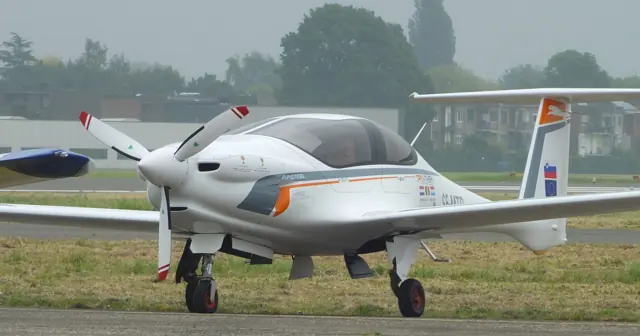
Pipistrel's streamlined four-seat composite-aircraft design.
A hybrid-electric regional-airliner concept represented in the simulator while the real programme develops.
A two-seat composite light-aircraft family with a high wing and a compact enclosed cabin.
A twin-hull flying boat with its engines mounted together above the wing.
A four-engine jetliner that helped establish the shape of long-distance jet travel.
A compact racing aeroplane built around a large radial engine and very short fuselage.
A close-air-support aircraft with a straight wing, twin tail and two widely separated jet engines.
A compact utility helicopter distinguished by its enclosed Fenestron tail rotor.
This is AirframeDB’s first release. More features and aircraft research are planned. Leave your email if you’d like occasional updates.