MSFS
Draco X ↗
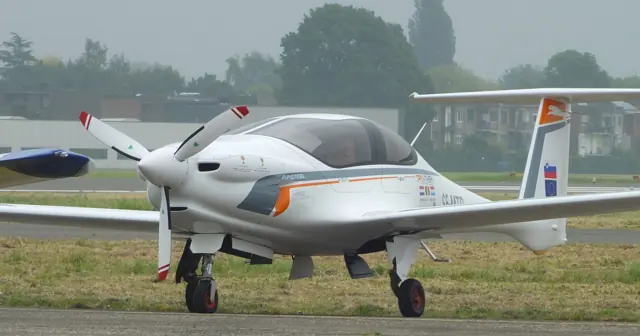
The Wilga is the real-aircraft starting point for Mike Patey's DRACO and the simulator's DRACO X.
1 implementations+ Compare
Explore the aircraft. Find your simulator. Follow the sources.
The Wilga is the real-aircraft starting point for Mike Patey's DRACO and the simulator's DRACO X.
A family of single-aisle airliners built around sidesticks, electronic flight controls and a shared cockpit.
Piper's two-seat trainer with fixed tricycle landing gear.
The purpose-built Ryan monoplane used by Charles Lindbergh for his 1927 solo Atlantic crossing.
Two related Dutch regional jets developed from the F28 lineage.
A four-engine airliner whose history also includes long-range maritime military service.
A swept-wing business jet designed around high subsonic cruise speed.
A cabin-class piston twin designed for commuter, cargo and utility work.
A composite amphibian that carries Dornier's centreline engine arrangement into the turboprop era.
A high-wing twin turboprop developed for regional freight and passenger transport.
A push-pull twin with one engine at each end of the central fuselage.
A high-wing utility turboprop designed for short-field passenger and cargo work.
A military transport developed from the DC-3, used for cargo, troops, parachuting and glider towing.
A personal jet with one engine above the rear fuselage and a distinctive V-tail.
A twin-hull flying boat with its engines mounted together above the wing.
A composite touring single with a whole-aircraft parachute and several generations of avionics.
A four-engine military turboprop designed to combine tactical access with long-distance transport.
A tandem-seat light aircraft with a streamlined low-wing layout.
A compact Italian light twin with a shoulder wing and metal airframe.
Pipistrel's streamlined four-seat composite-aircraft design.
The second-generation Harrier, designed around vectored thrust and short-field operation.
A jet-powered military transport designed for both strategic loads and tactical airfield access.
A Polish utility aircraft designed for short takeoffs and landings.
This is AirframeDB’s first release. More features and aircraft research are planned. Leave your email if you’d like occasional updates.