MSFS
Bell 47 ↗
A pioneering light helicopter whose bubble cabin and exposed structure became widely recognisable.
1 implementations+ Compare
Explore the aircraft. Find your simulator. Follow the sources.
A pioneering light helicopter whose bubble cabin and exposed structure became widely recognisable.
SOCATA's touring-aircraft family, including the Tobago and Trinidad.
A streamlined twin-engine helicopter with a Fenestron tail rotor and retractable landing gear.
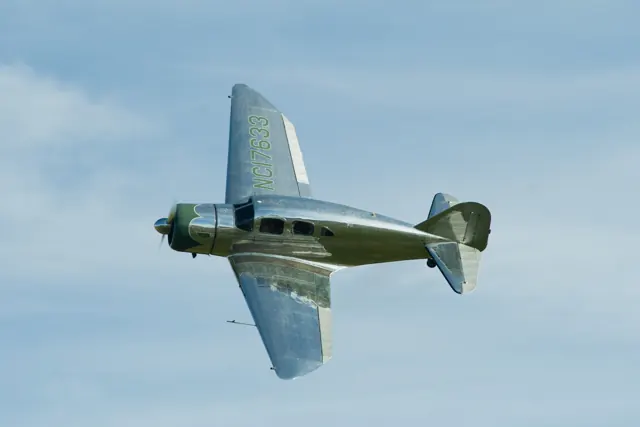
A late-1930s cabin aircraft with metal construction and retractable landing gear.
A large long-haul twin that introduced Boeing's first commercial fly-by-wire airliner flight controls.
A small two-seat piston helicopter with a two-bladed main rotor.
A composite amphibian that carries Dornier's centreline engine arrangement into the turboprop era.
A post-war Czech light twin with a rounded cabin and engines carried on a low wing.
A French two-seat aerobatic trainer with side-by-side seating and a distinctive curved wing outline.
A pioneering all-metal transport with an enclosed passenger cabin and corrugated skin.
A long-range trijet developed from the DC-10 with a stretched fuselage and revised wing and cockpit.
The four-engine wide-body whose raised flight deck created one of aviation's most recognisable profiles.
A compact twin-engine transport helicopter with retractable gear and a long development history.
A post-war Businessliner with a radial engine, cabin transport ambitions and tailwheel gear.
A large amphibious flying boat built around maritime rescue and utility transport.
A radial-engine trainer that also served in combat and civilian warbird roles.
A four-seat kit-built touring aircraft that expanded the RV family beyond two-seat designs.
A narrow-body twin developed as a new generation of medium-range airliner.
A regional turboprop family whose short early versions and larger Q400 have different proportions and systems.
The Mitchell medium bomber, named for aviation advocate Billy Mitchell.
A radial-engined light transport whose long career covered passengers, freight and military training.
The four-engine Flying Fortress, a major American bomber of the Second World War.
A twin-engine utility helicopter with roots in the BK 117 and EC145 families.
A cabin biplane with the lower wing placed ahead of the upper one.
This is AirframeDB’s first release. More features and aircraft research are planned. Leave your email if you’d like occasional updates.