MSFS
Tecnam P2010 ↗
Tecnam's four-seat high-wing single, built with metal and carbon-fibre components.
1 implementations+ Compare
Explore the aircraft. Find your simulator. Follow the sources.
Tecnam's four-seat high-wing single, built with metal and carbon-fibre components.
An open-cockpit biplane trainer that found a second life in civilian flying.
A long-range twin whose programme emphasised composite construction and more electrically powered systems.
The purpose-built Ryan monoplane used by Charles Lindbergh for his 1927 solo Atlantic crossing.
A high-wing twin turboprop developed for regional freight and passenger transport.
A 1920s transport family that developed from a single-engine airliner into a trimotor.
A close-air-support aircraft with a straight wing, twin tail and two widely separated jet engines.
A retractable-gear touring single with an all-metal airframe and a long-lived enthusiast following.
Airbus's first production aircraft, built around a twin-engine wide-body layout.
A compact Italian light twin with a shoulder wing and metal airframe.
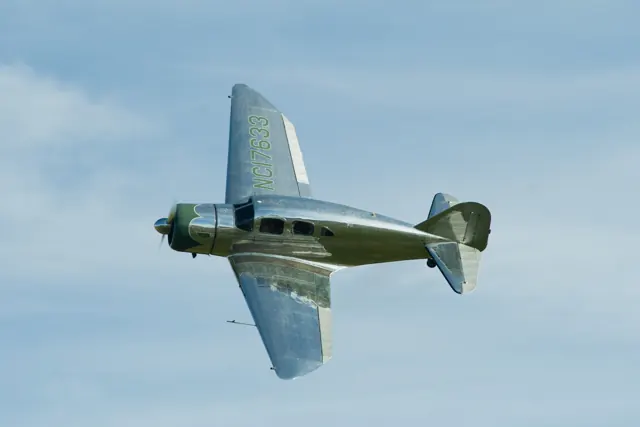
A late-1930s cabin aircraft with metal construction and retractable landing gear.
A pioneering light helicopter whose bubble cabin and exposed structure became widely recognisable.
A four-seat kit-built touring aircraft that expanded the RV family beyond two-seat designs.
Piper's PA-31 utility twin, used in commuter, cargo and corporate transport.
Beechcraft's Model 76, designed to introduce pilots to twin-engine flying.
A tandem-seat light aircraft with a streamlined low-wing layout.
A British utility twin built around short regional and practical transport work.
An advanced trainer known around the world as the Texan, Harvard and SNJ.
A large long-haul twin that introduced Boeing's first commercial fly-by-wire airliner flight controls.
A purpose-built agricultural aircraft that also became a single-engine air tanker.
A Polish utility aircraft designed for short takeoffs and landings.
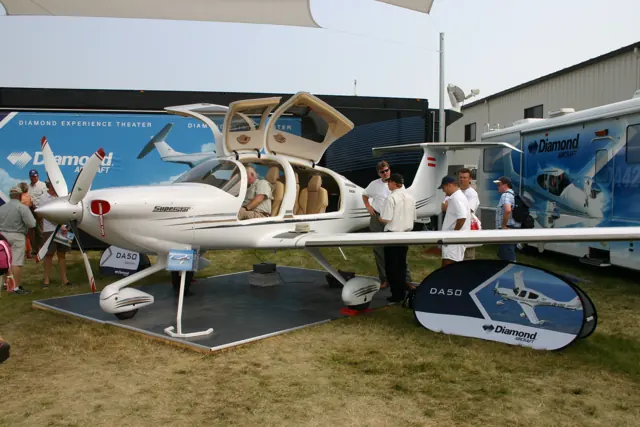
A five-seat composite single whose development led to the diesel DA50 RG.
A twin-turboprop regional airliner developed through Swedish and American industrial cooperation.
The Wilga is the real-aircraft starting point for Mike Patey's DRACO and the simulator's DRACO X.
This is AirframeDB’s first release. More features and aircraft research are planned. Leave your email if you’d like occasional updates.