MSFS
Grumman G-44 Widgeon ↗
Grumman’s small twin-engine amphibian: a flying boat with retractable wheels and a life spanning wartime service, private travel and seaplane training.
1 implementations+ Compare
Explore the aircraft. Find your simulator. Follow the sources.
Grumman’s small twin-engine amphibian: a flying boat with retractable wheels and a life spanning wartime service, private travel and seaplane training.
A British utility twin built around short regional and practical transport work.
A twin-turbine Huey descendant with a four-blade main rotor.
A pressurised single-engine turboprop family that combines a compact cabin with retractable gear.
A four-bladed utility helicopter developed from the LongRanger lineage.
A light turbine helicopter whose land-based Scout and naval Wasp branches served different jobs.
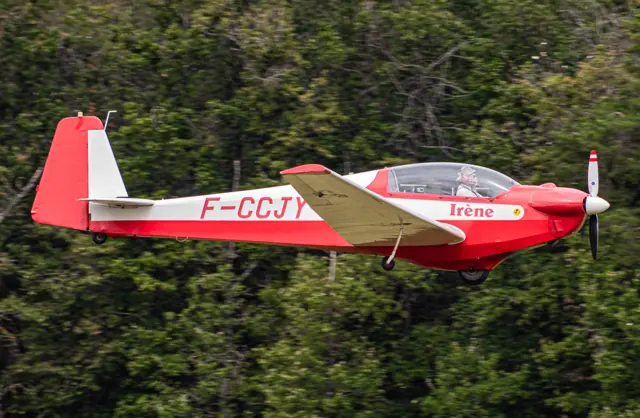
A tandem-seat development of Scheibe’s touring motorglider family.
A long-range twin designed around a new wide-body airframe and extensive composite construction.
A super-midsize business jet with a swept wing, rear-mounted engines and an integrated glass cockpit.
A pressurised touring twin whose piston and turbine-conversion versions make a particularly interesting comparison.
A 1920s flying boat with two engines arranged in tandem above the wing.
A very light twin jet developed from the Eclipse 500.
A regional jet family with four small engines, a high wing and a large split tail airbrake.
A two-seat light amphibian with a compact boat hull and a pusher propeller.
A long-range twin whose programme emphasised composite construction and more electrically powered systems.
A twin-radial military transport with a rear ramp and short-field design priorities.
A light turbine helicopter combining an Alouette II airframe with more powerful Alouette III components.
A two-seat naval fighter with variable-sweep wings and a cockpit built around pilot and radar-intercept officer roles.
A modern utility single whose family includes both tailwheel and nosewheel configurations.
Beechcraft's Model 76, designed to introduce pilots to twin-engine flying.
A stretched development of the DC-9 with rear-mounted engines and a five-abreast cabin.
A four-seat high-wing single that spans generations of conventional instruments and glass cockpits.
A composite touring single with a whole-aircraft parachute and several generations of avionics.
A long-range fighter whose different engine and canopy developments produced several distinct forms.
This is AirframeDB’s first release. More features and aircraft research are planned. Leave your email if you’d like occasional updates.