X-Plane
Aero-Works Aerolite 103 ↗
An open, single-seat ultralight with its propeller behind the pilot.
2 implementations+ Compare
Explore the aircraft. Find your simulator. Follow the sources.
An open, single-seat ultralight with its propeller behind the pilot.
A fixed-wing observation aircraft with a helicopter-like view from its glazed nose.
A side-by-side two-seat sailplane with a retractable powerplant for self-launching.
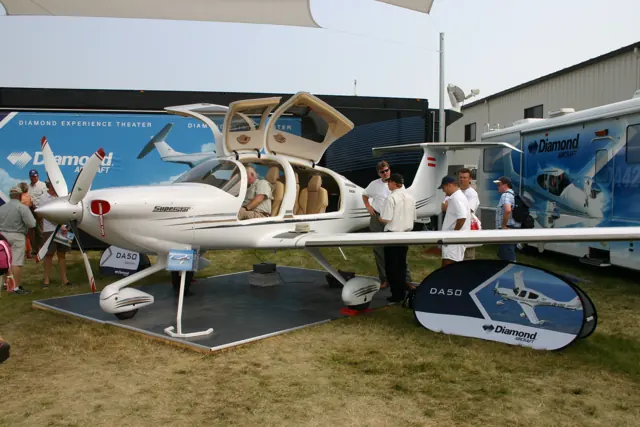
A five-seat composite single whose development led to the diesel DA50 RG.
A huge wooden flying-boat prototype that made one brief flight in 1947.
A hybrid-electric regional-airliner concept represented in the simulator while the real programme develops.
A military transport developed from the DC-3, used for cargo, troops, parachuting and glider towing.
A Canadian tandem-seat trainer developed after the Second World War.
A compact Czech touring aircraft with side-by-side seats and a streamlined low-wing airframe.
A cabin biplane with the lower wing placed ahead of the upper one.
A tandem two-seat sailplane family used for training and cross-country soaring.
A compact two-seat light aircraft with a high wing and a wide range of development variants.
A very light twin jet developed from the Eclipse 500.
A compact twin-engine helicopter widely used for medical, police and training work.
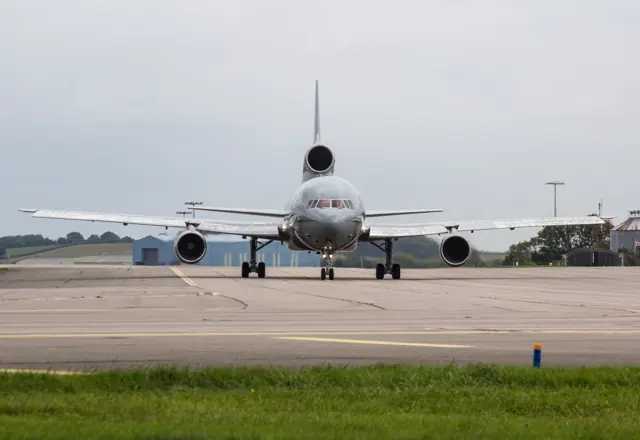
Lockheed's wide-body TriStar, with three RB211 engines and a distinctive tail intake.
A twin-hull flying boat with its engines mounted together above the wing.
A corrugated-metal transport best known in its three-engine form.
A personal jet with one engine above the rear fuselage and a distinctive V-tail.
Mooney's four-seat piston family, developed through many touring-aircraft variants.
A large long-haul twin that introduced Boeing's first commercial fly-by-wire airliner flight controls.
Regional flying built around a high wing, two turboprops and short sectors.
A Polish utility aircraft designed for short takeoffs and landings.
The H130 utility helicopter, descended from the AS350 and fitted with a Fenestron.
A twin-turboprop family whose smaller conventional-tail and larger T-tail branches have distinct identities.
This is AirframeDB’s first release. More features and aircraft research are planned. Leave your email if you’d like occasional updates.