MSFS X-Plane
Boeing 747 family ↗
The four-engine wide-body whose raised flight deck created one of aviation's most recognisable profiles.
6 implementations+ Compare
Explore the aircraft. Find your simulator. Follow the sources.
The four-engine wide-body whose raised flight deck created one of aviation's most recognisable profiles.
An Italian light aircraft known for military training and aerobatic use.
A two-seat Tecnam high-wing aircraft combining composite and metal construction.
A four-seat kit-built touring aircraft that expanded the RV family beyond two-seat designs.
An advanced trainer known around the world as the Texan, Harvard and SNJ.
A utility piston twin designed for commuter and specialist transport missions.
A narrow-body twin developed as a new generation of medium-range airliner.
A modern composite twin with a roomy cabin and two wing-mounted piston engines.
A light turbine helicopter whose land-based Scout and naval Wasp branches served different jobs.
A post-war Businessliner with a radial engine, cabin transport ambitions and tailwheel gear.
A medium commercial helicopter designed for passenger and utility transport.
A two-seat training single with a high wing and fixed tricycle landing gear.
A short-haul jet family that evolved through several generations of engines, wings and flight decks.
A short-field Savage with leading-edge slats and a distinct Got Friends simulator implementation.
The Wilga is the real-aircraft starting point for Mike Patey's DRACO and the simulator's DRACO X.
A super-midsize business jet with a swept wing, rear-mounted engines and an integrated glass cockpit.
A small twin-engine amphibian that moved from business transport into military and utility service.
A long-haul twin whose family spans passenger, freight and specialist transport roles.
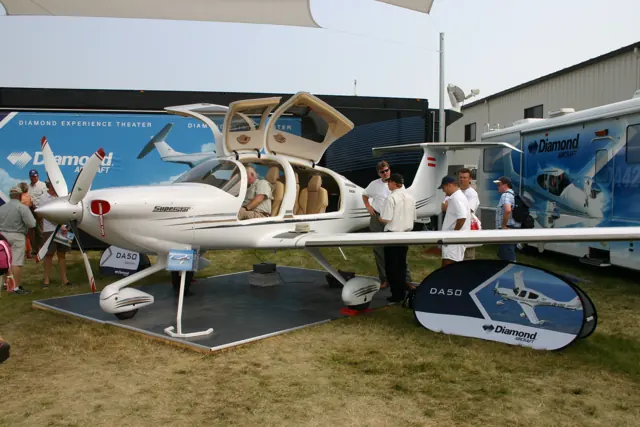
A five-seat composite single whose development led to the diesel DA50 RG.
A light tandem-seat taildragger built around the familiar braced high-wing layout.
Cessna's retractable-gear Centurion, a high-wing touring aircraft.
A pressurised touring twin whose piston and turbine-conversion versions make a particularly interesting comparison.
The purpose-built Ryan monoplane used by Charles Lindbergh for his 1927 solo Atlantic crossing.
A tandem-seat utility aircraft whose light structure and high wing suit bush, towing and recreational work.
This is AirframeDB’s first release. More features and aircraft research are planned. Leave your email if you’d like occasional updates.