X-Plane
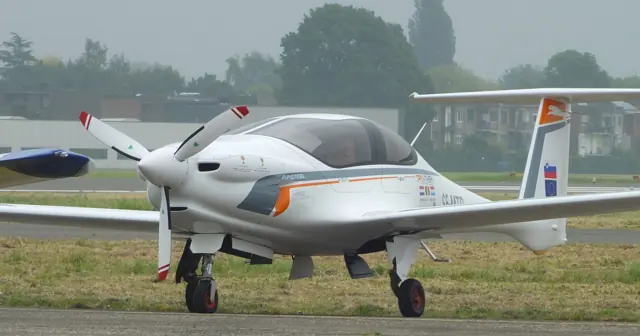
Pipistrel Panthera ↗
Pipistrel's streamlined four-seat composite-aircraft design.
1 implementations+ Compare
Explore the aircraft. Find your simulator. Follow the sources.
Pipistrel's streamlined four-seat composite-aircraft design.
A six-seat composite single turboprop with a pressurised cabin and retractable gear.
A three-engine airliner that became a mainstay of Soviet and Russian passenger transport.
Mooney's four-seat piston family, developed through many touring-aircraft variants.
A low-wing piston twin that carries the Beechcraft touring-aircraft lineage into two-engine flying.
SOCATA's touring-aircraft family, including the Tobago and Trinidad.
The Stationair utility family, combining a high wing with fixed landing gear.
A four-abreast regional-jet family spanning the E170, E175, E190 and E195.
A tandem-seat light aircraft with a streamlined low-wing layout.
A push-pull twin with one engine at each end of the central fuselage.
A streamlined light twin helicopter, with the later Bell 230 in the same family.
A tandem-seat utility aircraft whose light structure and high wing suit bush, towing and recreational work.
A two-seat composite trainer with a low wing and a large canopy.
Piper's PA-31 utility twin, used in commuter, cargo and corporate transport.
A tandem two-seat sailplane designed for instruction and broader soaring use.
A British jet trainer with tandem seating and a long military training career.
A regional jet family with four small engines, a high wing and a large split tail airbrake.
A long-running touring single, familiar in both V-tail and conventional-tail forms.
A four-seat kit-built touring aircraft that expanded the RV family beyond two-seat designs.
A short-haul jet family that evolved through several generations of engines, wings and flight decks.
Beechcraft's Model 76, designed to introduce pilots to twin-engine flying.
Dassault's long-range Falcon 8X, developed from the three-engine 7X.
A single-engine turboprop workhorse for passenger services, freight and remote-area transport.
A wooden touring-aircraft family recognisable by the upward-angled outer wing panels.
This is AirframeDB’s first release. More features and aircraft research are planned. Leave your email if you’d like occasional updates.



































