MSFS X-Plane
Beechcraft Baron 58 / G58 ↗
A low-wing piston twin that carries the Beechcraft touring-aircraft lineage into two-engine flying.
6 implementations+ Compare
Explore the aircraft. Find your simulator. Follow the sources.
A low-wing piston twin that carries the Beechcraft touring-aircraft lineage into two-engine flying.
A long-range trijet developed from the DC-10 with a stretched fuselage and revised wing and cockpit.
An Italian light aircraft known for military training and aerobatic use.
A tandem-seat light aircraft with a streamlined low-wing layout.
A two-seat composite trainer with a low wing and a large canopy.
A tandem-seat homebuilt jet with composite construction and retractable landing gear.
A long-haul twin whose family spans passenger, freight and specialist transport roles.
A push-pull twin with one engine at each end of the central fuselage.
The second-generation Harrier, designed around vectored thrust and short-field operation.
A light business jet with a swept wing, rear-mounted engines and an integrated flight deck.
A short-haul jet family that evolved through several generations of engines, wings and flight decks.
A stretched development of the DC-9 with rear-mounted engines and a five-abreast cabin.
A four-engine tactical transport built around a rear loading ramp and access to austere airfields.
A regional jet family with four small engines, a high wing and a large split tail airbrake.
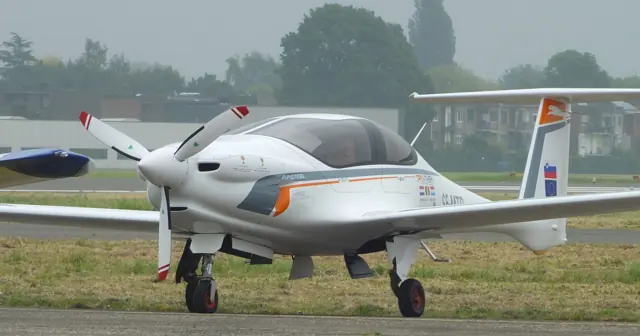
Pipistrel's streamlined four-seat composite-aircraft design.
The four-engine Flying Fortress, a major American bomber of the Second World War.
A two-seat, twin-engine fighter that served naval and land-based air forces in many roles.
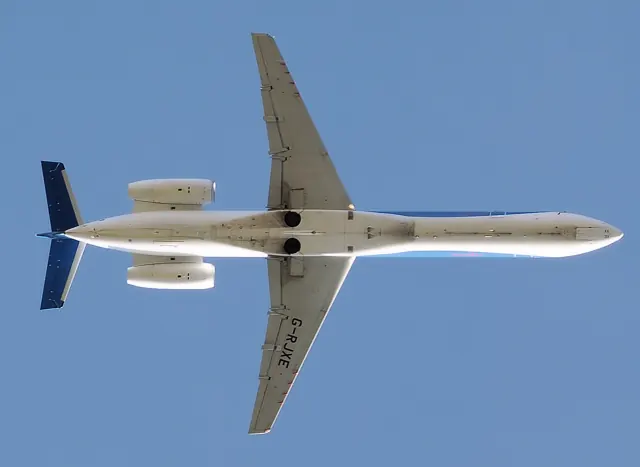
Embraer's regional-jet family, from the ERJ 135 to the longer ERJ 145.
A four-seat, pressurised kit aircraft with a composite airframe and retractable landing gear.
A military liaison aircraft built around a high wing, tandem cabin and short-field utility work.
A three-engine airliner that became a mainstay of Soviet and Russian passenger transport.
A four-seat high-wing single that spans generations of conventional instruments and glass cockpits.
A Canadian tandem-seat trainer developed after the Second World War.
A two-seat training single with a high wing and fixed tricycle landing gear.
This is AirframeDB’s first release. More features and aircraft research are planned. Leave your email if you’d like occasional updates.