MSFS
Dornier Do J Wal ↗
A 1920s flying boat with two engines arranged in tandem above the wing.
1 implementations+ Compare
Explore the aircraft. Find your simulator. Follow the sources.
A 1920s flying boat with two engines arranged in tandem above the wing.
The four-engine Flying Fortress, a major American bomber of the Second World War.
An open, single-seat ultralight with its propeller behind the pilot.
A twin-radial military transport with a rear ramp and short-field design priorities.
A low-wing agricultural Cessna with a cockpit and hopper arranged around the job.
A wide-cabin business-jet family that developed from Canadair's original Challenger programme.
A self-launching sailplane family with its engine inside the fuselage and a folding nose propeller.
Tecnam's two-seat, low-wing Sierra, introduced in the early 2000s.
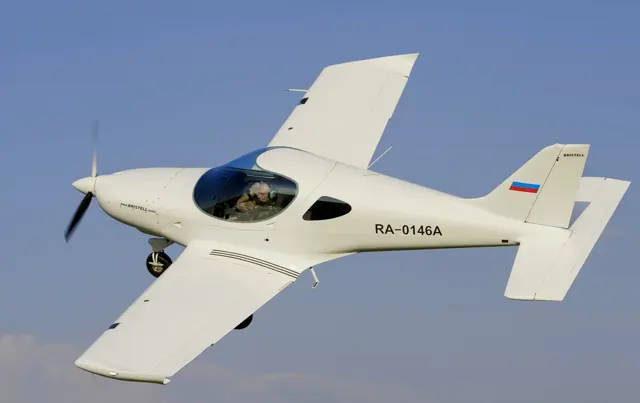
BRM Aero's two-seat B23, represented in MSFS by Airfoillabs.
A two-seat composite trainer with a low wing and a large canopy.
A twin-engine business jet designed to retain some of the utility flexibility associated with the PC-12.
A carrier-capable multirole fighter, larger than the earlier Hornet from which it developed.
A purpose-built agricultural aircraft that also became a single-engine air tanker.
A six-engine heavy transport created for exceptionally large external and internal loads.
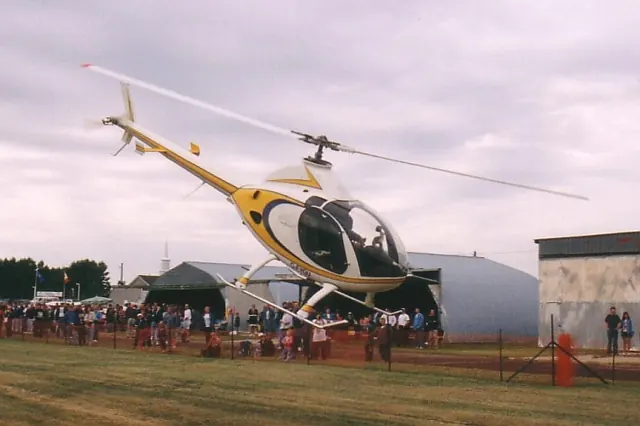
RotorWay's two-seat kit-helicopter family, with piston and turbine simulator interpretations.
A four-engine Airbus wide-body developed in parallel with the A330.
A long-running touring single, familiar in both V-tail and conventional-tail forms.
A single-seat competition sailplane offered in Standard and 18-metre configurations.
A family of single-aisle airliners built around sidesticks, electronic flight controls and a shared cockpit.
Ted Smith's piston twin, later produced by Piper as the Aerostar.
The four-engine wide-body whose raised flight deck created one of aviation's most recognisable profiles.
A compact two-seat light aircraft with a high wing and a wide range of development variants.
The purpose-built Ryan monoplane used by Charles Lindbergh for his 1927 solo Atlantic crossing.
An open-cockpit biplane trainer that found a second life in civilian flying.
This is AirframeDB’s first release. More features and aircraft research are planned. Leave your email if you’d like occasional updates.