MSFS
De Havilland Canada DHC-6 Twin Otter ↗
A fixed-gear twin turboprop with a long history in regional and remote-area transport.
1 implementations+ Compare
Explore the aircraft. Find your simulator. Follow the sources.
A fixed-gear twin turboprop with a long history in regional and remote-area transport.
A push-pull twin with one engine at each end of the central fuselage.
A lightweight short-field aircraft with a specialised wing and tall, shock-absorbing landing gear.
A twin-radial military transport with a rear ramp and short-field design priorities.
An enclosed, two-seat autogyro with side-by-side seating and a pusher propeller.
Beechcraft's Model 76, designed to introduce pilots to twin-engine flying.
The JetRanger and LongRanger family: a familiar turbine-helicopter shape with distinct cabin lengths.
A large long-haul twin that introduced Boeing's first commercial fly-by-wire airliner flight controls.
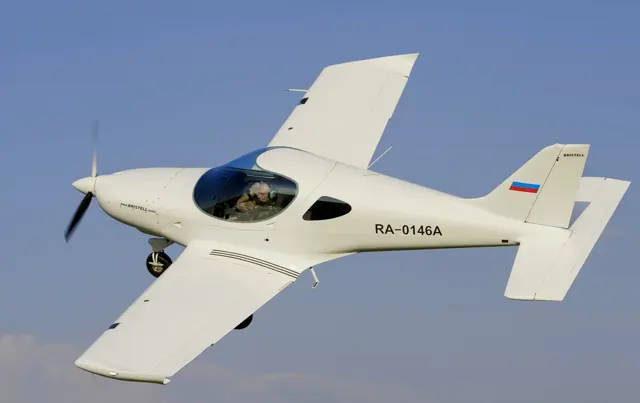
BRM Aero's two-seat B23, represented in MSFS by Airfoillabs.
A midsize business jet developed by Bombardier’s Learjet division.
Two related Dutch regional jets developed from the F28 lineage.
A post-war Businessliner with a radial engine, cabin transport ambitions and tailwheel gear.
A light turbine helicopter whose land-based Scout and naval Wasp branches served different jobs.
A compact Italian light twin with a shoulder wing and metal airframe.
A very large single-engine biplane designed for practical work from modest airfields.
A swept-wing business jet designed around high subsonic cruise speed.
A pressurised four-engine piston transport from the last major generation before the jet airliner.
A British utility twin built around short regional and practical transport work.
A shorter wide-body Airbus from the transition to two-pilot, electronic-instrument cockpits.
A high-wing twin turboprop developed for regional freight and passenger transport.
A tandem-seat light aircraft with a streamlined low-wing layout.
The four-engine Flying Fortress, a major American bomber of the Second World War.
A modern composite twin with a roomy cabin and two wing-mounted piston engines.
The Wilga is the real-aircraft starting point for Mike Patey's DRACO and the simulator's DRACO X.
This is AirframeDB’s first release. More features and aircraft research are planned. Leave your email if you’d like occasional updates.