MSFS
Aérospatiale Alouette III ↗
A turbine-powered utility helicopter with a broad cabin and a long international service history.
1 implementations+ Compare
Explore the aircraft. Find your simulator. Follow the sources.
A turbine-powered utility helicopter with a broad cabin and a long international service history.
A Swedish reconnaissance and dive-bombing aircraft from the early 1940s.
Tecnam's two-seat, low-wing Sierra, introduced in the early 2000s.
Embraer's regional-jet family, from the ERJ 135 to the longer ERJ 145.
A streamlined light twin helicopter, with the later Bell 230 in the same family.
A long-range twin designed around a new wide-body airframe and extensive composite construction.
A tandem two-seat sailplane family used for training and cross-country soaring.
A heavy transport helicopter whose two large rotors remove the need for a tail rotor.
Piper's PA-31 utility twin, used in commuter, cargo and corporate transport.
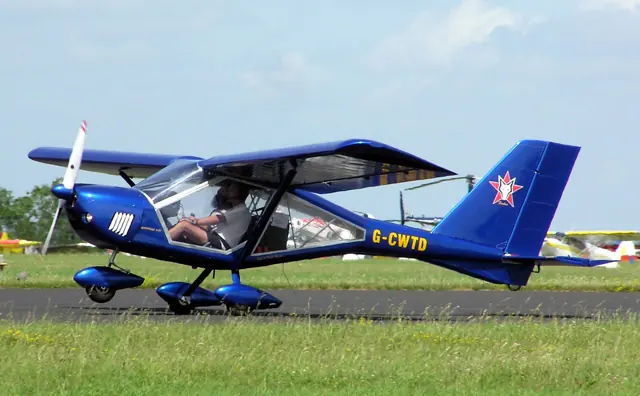
A high-wing light sport aircraft with a broad glazed cabin and tricycle landing gear.
A tandem-seat jet trainer that also found a second life in civilian display and racing.
A two-seat training single with a high wing and fixed tricycle landing gear.
A simulated twin-turbine helicopter that explores no-tail-rotor anti-torque control.
A late-1930s cabin aircraft with metal construction and retractable landing gear.
A British jet trainer with tandem seating and a long military training career.
An electric-powered educational glider concept inspired by the human-powered MIT Daedalus 88.
The Wilga is the real-aircraft starting point for Mike Patey's DRACO and the simulator's DRACO X.
A four-engine jetliner that helped establish the shape of long-distance jet travel.
A two-seat composite trainer with a low wing and a large canopy.
A compact rear-engined jet designed for short-haul regional airline work.
A two-seat light aircraft with folding wings and a choice of nosewheel or tailwheel gear.
A five-seat turbine helicopter developed from Robinson's smaller piston-helicopter line.
A pressurised touring twin whose piston and turbine-conversion versions make a particularly interesting comparison.
The CJ4 belongs to Cessna's light-jet line, with two rear-mounted engines and a T-tail.
This is AirframeDB’s first release. More features and aircraft research are planned. Leave your email if you’d like occasional updates.