MSFS X-Plane
Pilatus PC-12 NGX ↗
A pressurised single turboprop with a large cargo door and a broad range of working roles.
3 implementations+ Compare
Explore the aircraft. Find your simulator. Follow the sources.
A pressurised single turboprop with a large cargo door and a broad range of working roles.
A shorter wide-body Airbus from the transition to two-pilot, electronic-instrument cockpits.
A two-seat training single with a high wing and fixed tricycle landing gear.
A cabin biplane with the lower wing placed ahead of the upper one.
A long-haul twin whose family spans passenger, freight and specialist transport roles.
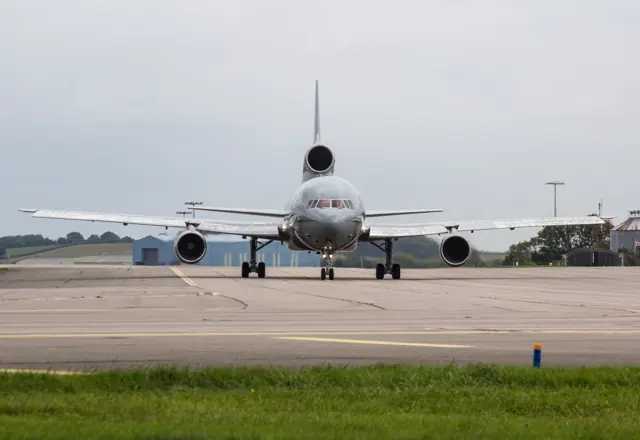
Lockheed's wide-body TriStar, with three RB211 engines and a distinctive tail intake.
A utility piston twin designed for commuter and specialist transport missions.
Beechcraft's Model 76, designed to introduce pilots to twin-engine flying.
A light business jet with a swept wing, rear-mounted engines and an integrated flight deck.
A large twin-radial transport that carried heavy loads through wartime and post-war freight service.
Tecnam's four-seat high-wing single, built with metal and carbon-fibre components.
A cabin-class piston twin designed for commuter, cargo and utility work.
A twin-radial airliner that helped make practical passenger transport a regular business.
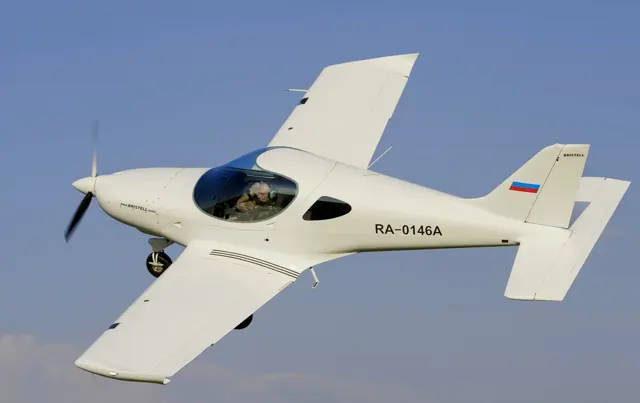
BRM Aero's two-seat B23, represented in MSFS by Airfoillabs.
Two related Dutch regional jets developed from the F28 lineage.
A small two-seat piston helicopter with a two-bladed main rotor.
A radial-engined utility aircraft closely associated with bush flying and float operations.
A four-seat touring family whose Commander 114 added a larger engine and further refinements.
A medium commercial helicopter designed for passenger and utility transport.
A tandem-seat jet trainer that also found a second life in civilian display and racing.
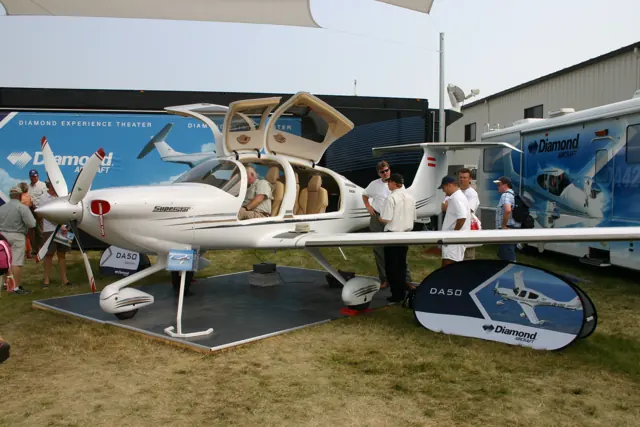
A five-seat composite single whose development led to the diesel DA50 RG.
Cirrus's first type-certified aircraft, a composite piston single.
A box-shaped utility twin whose cabin and rear access are central to its design.
A personal jet with one engine above the rear fuselage and a distinctive V-tail.
This is AirframeDB’s first release. More features and aircraft research are planned. Leave your email if you’d like occasional updates.