MSFS
Diamond DA40 ↗
A four-seat composite touring and training aircraft developed from Diamond's smaller two-seater.
4 implementations+ Compare
Explore the aircraft. Find your simulator. Follow the sources.
A four-seat composite touring and training aircraft developed from Diamond's smaller two-seater.
Tecnam's two-seat, low-wing Sierra, introduced in the early 2000s.
A low-wing agricultural Cessna with a cockpit and hopper arranged around the job.
A modern medium twin-engine helicopter developed as a successor to the Dauphin line.
A two-seat training single with a high wing and fixed tricycle landing gear.
A utility piston twin designed for commuter and specialist transport missions.
A carrier-capable multirole fighter, larger than the earlier Hornet from which it developed.
A post-war Czech light twin with a rounded cabin and engines carried on a low wing.
A four-seat high-wing single that spans generations of conventional instruments and glass cockpits.
Regional flying built around a high wing, two turboprops and short sectors.
A First World War trainer that became a familiar sight in the barnstorming era.
TorqueSim's Pocket Rocket, a simulated PT6-powered light aircraft with two gear layouts.
A low-wing piston family that spans simple trainers, touring aircraft and retractable-gear Arrows.
A low-wing piston twin that carries the Beechcraft touring-aircraft lineage into two-engine flying.
A long-running touring single, familiar in both V-tail and conventional-tail forms.
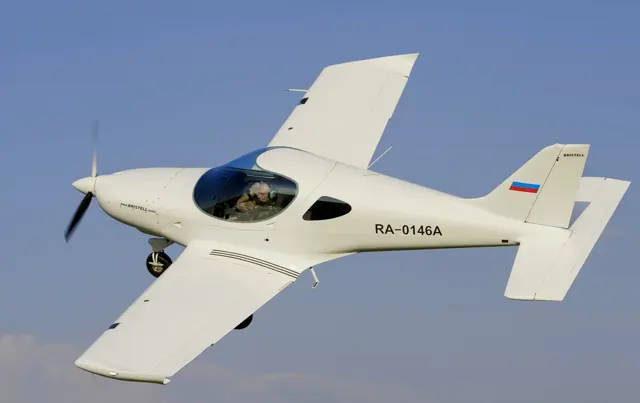
BRM Aero's two-seat B23, represented in MSFS by Airfoillabs.
Dassault's long-range Falcon 8X, developed from the three-engine 7X.
A two-seat light amphibian with a compact boat hull and a pusher propeller.
A light turbine helicopter whose land-based Scout and naval Wasp branches served different jobs.
A pressurised four-engine piston transport from the last major generation before the jet airliner.
A four-engine tactical transport built around a rear loading ramp and access to austere airfields.
A pressurised single turboprop with a large cargo door and a broad range of working roles.
A twin-turboprop family whose smaller conventional-tail and larger T-tail branches have distinct identities.
The purpose-built Ryan monoplane used by Charles Lindbergh for his 1927 solo Atlantic crossing.
This is AirframeDB’s first release. More features and aircraft research are planned. Leave your email if you’d like occasional updates.