MSFS
ICON A5 ↗
A two-seat light amphibian with a compact boat hull and a pusher propeller.
2 implementations+ Compare
Explore the aircraft. Find your simulator. Follow the sources.
A two-seat light amphibian with a compact boat hull and a pusher propeller.
The second-generation Harrier, designed around vectored thrust and short-field operation.
An Italian light aircraft known for military training and aerobatic use.
Diamond's four-seat light twin, developed with diesel-powered versions.
A high-wing utility turboprop designed for short-field passenger and cargo work.
A heavy transport helicopter whose two large rotors remove the need for a tail rotor.
A cabin-class piston twin designed for commuter, cargo and utility work.
Avro's delta-wing bomber, developed for Britain's postwar strategic force.
A side-by-side two-seat sailplane with a retractable powerplant for self-launching.
A high-wing twin turboprop developed for regional freight and passenger transport.
Ted Smith's piston twin, later produced by Piper as the Aerostar.
A military transport developed from the DC-3, used for cargo, troops, parachuting and glider towing.
A streamlined light twin helicopter, with the later Bell 230 in the same family.
A radial-engine trainer that also served in combat and civilian warbird roles.
A wide-cabin business-jet family that developed from Canadair's original Challenger programme.
A corrugated-metal transport best known in its three-engine form.
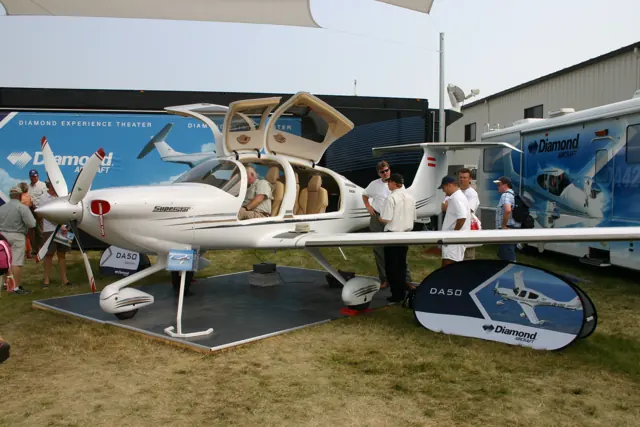
A five-seat composite single whose development led to the diesel DA50 RG.
A utility piston twin designed for commuter and specialist transport missions.
A long-range strategic bomber with a swept wing and eight jet engines in paired pods.
A twin-hull flying boat with its engines mounted together above the wing.
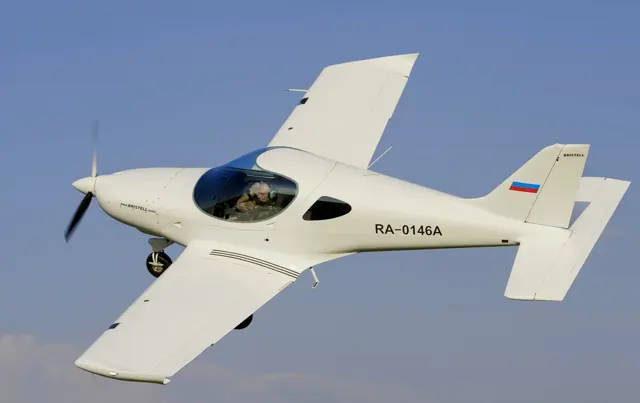
BRM Aero's two-seat B23, represented in MSFS by Airfoillabs.
A wooden touring-aircraft family recognisable by the upward-angled outer wing panels.
A specialised reconnaissance aircraft designed for very high altitude and sustained supersonic flight.
Tecnam's four-seat high-wing single, built with metal and carbon-fibre components.
This is AirframeDB’s first release. More features and aircraft research are planned. Leave your email if you’d like occasional updates.