MSFS
Lockheed T-33 Shooting Star ↗
Lockheed's tandem-seat Shooting Star jet trainer.
1 implementations+ Compare
Explore the aircraft. Find your simulator. Follow the sources.
Lockheed's tandem-seat Shooting Star jet trainer.
A small two-seat piston helicopter with a two-bladed main rotor.
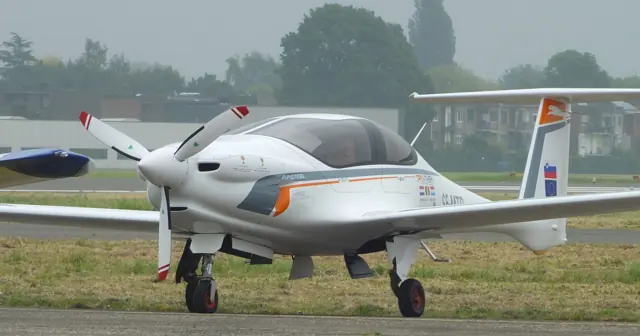
Pipistrel's streamlined four-seat composite-aircraft design.
A medium commercial helicopter designed for passenger and utility transport.
A four-seat high-wing single that spans generations of conventional instruments and glass cockpits.
A composite amphibian that carries Dornier's centreline engine arrangement into the turboprop era.
A two-seat composite kit aircraft developed from the Lancair 320.
Regional flying built around a high wing, two turboprops and short sectors.
An Italian light aircraft known for military training and aerobatic use.
The Wilga is the real-aircraft starting point for Mike Patey's DRACO and the simulator's DRACO X.
A twin-radial airliner that helped make practical passenger transport a regular business.
Diamond's four-seat light twin, developed with diesel-powered versions.
A carrier-capable multirole fighter, larger than the earlier Hornet from which it developed.
Tecnam's four-seat high-wing single, built with metal and carbon-fibre components.
Avro's delta-wing bomber, developed for Britain's postwar strategic force.
A radial-engined utility aircraft closely associated with bush flying and float operations.
A compact rear-engined jet designed for short-haul regional airline work.
Beechcraft's Model 76, designed to introduce pilots to twin-engine flying.
A modern two-seat piston helicopter designed around the training role.
A pioneering light helicopter whose bubble cabin and exposed structure became widely recognisable.
A compact two-seat light aircraft with a high wing and a wide range of development variants.
A large twin-engine helicopter from the Super Puma line, used for offshore and public-service work.
A radial-engine trainer that also served in combat and civilian warbird roles.
A shorter wide-body Airbus from the transition to two-pilot, electronic-instrument cockpits.
This is AirframeDB’s first release. More features and aircraft research are planned. Leave your email if you’d like occasional updates.