MSFS X-Plane
Boeing CH-47D Chinook ↗
A heavy transport helicopter whose two large rotors remove the need for a tail rotor.
2 implementations+ Compare
Explore the aircraft. Find your simulator. Follow the sources.
A heavy transport helicopter whose two large rotors remove the need for a tail rotor.
A two-seat composite trainer with a low wing and a large canopy.
A narrow-body twin developed as a new generation of medium-range airliner.
A long-range strategic bomber with a swept wing and eight jet engines in paired pods.
A four-abreast regional-jet family spanning the E170, E175, E190 and E195.
A four-seat high-wing single that spans generations of conventional instruments and glass cockpits.
TorqueSim's Pocket Rocket, a simulated PT6-powered light aircraft with two gear layouts.
A personal jet with one engine above the rear fuselage and a distinctive V-tail.
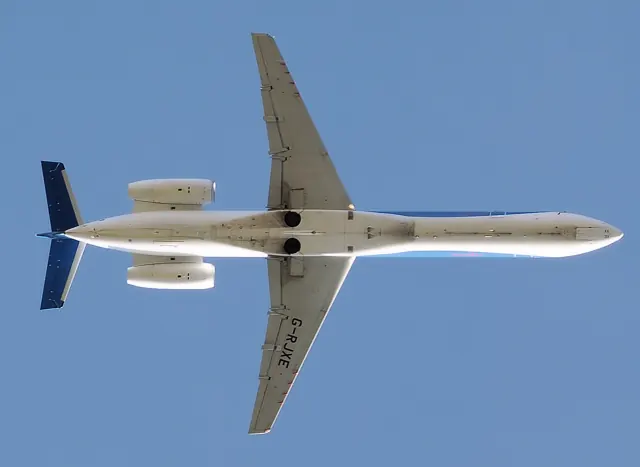
Embraer's regional-jet family, from the ERJ 135 to the longer ERJ 145.
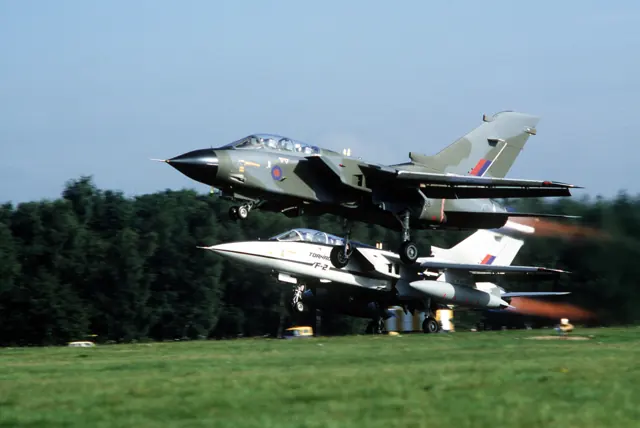
A European variable-sweep combat-aircraft family with distinct strike and interceptor versions.
SOCATA's touring-aircraft family, including the Tobago and Trinidad.
A regional turboprop family whose short early versions and larger Q400 have different proportions and systems.
An open, single-seat ultralight with its propeller behind the pilot.
A tandem-seat light aircraft with a streamlined low-wing layout.
A swept-wing business jet designed around high subsonic cruise speed.
The Stationair utility family, combining a high wing with fixed landing gear.
Piper's PA-31 utility twin, used in commuter, cargo and corporate transport.
The Model 525 CitationJet, the starting point of Cessna's CJ and M2 lineage.
Beechcraft's Model 76, designed to introduce pilots to twin-engine flying.
A Polish utility aircraft designed for short takeoffs and landings.
Dassault's long-range Falcon 8X, developed from the three-engine 7X.
A two-seat training single with a high wing and fixed tricycle landing gear.
A two-seat naval fighter with variable-sweep wings and a cockpit built around pilot and radar-intercept officer roles.
A rear-engined trijet built to bring jet service to shorter routes and smaller airports.
This is AirframeDB’s first release. More features and aircraft research are planned. Leave your email if you’d like occasional updates.