X-Plane
Grumman F-14 Tomcat ↗
A two-seat naval fighter with variable-sweep wings and a cockpit built around pilot and radar-intercept officer roles.
1 implementations+ Compare
Explore the aircraft. Find your simulator. Follow the sources.
A two-seat naval fighter with variable-sweep wings and a cockpit built around pilot and radar-intercept officer roles.
A vast inter-war flying boat with twelve engines arranged in six paired installations.
A corrugated-metal, three-engine transport from the formative years of airline travel.
A regional turboprop family whose short early versions and larger Q400 have different proportions and systems.
A four-engine Airbus wide-body developed in parallel with the A330.
A large twin-engine helicopter from the Super Puma line, used for offshore and public-service work.
An unpowered military cargo glider designed to deliver troops and equipment behind a tow aircraft.
A compact rear-engined jet designed for short-haul regional airline work.
A small twin-engine amphibian that moved from business transport into military and utility service.
A four-engine jetliner that helped establish the shape of long-distance jet travel.
A low-wing agricultural Cessna with a cockpit and hopper arranged around the job.
An enclosed, two-seat autogyro with side-by-side seating and a pusher propeller.
A post-war Czech light twin with a rounded cabin and engines carried on a low wing.
A fixed-wing observation aircraft with a helicopter-like view from its glazed nose.
A long-range trijet developed from the DC-10 with a stretched fuselage and revised wing and cockpit.
A four-engine airliner that brought pressurised-cabin travel into scheduled service.
A twin-engine business jet designed to retain some of the utility flexibility associated with the PC-12.
A long-running touring single, familiar in both V-tail and conventional-tail forms.
The H130 utility helicopter, descended from the AS350 and fitted with a Fenestron.
A two-seat, twin-engine fighter that served naval and land-based air forces in many roles.
A streamlined twin-engine helicopter with a Fenestron tail rotor and retractable landing gear.
A First World War trainer that became a familiar sight in the barnstorming era.
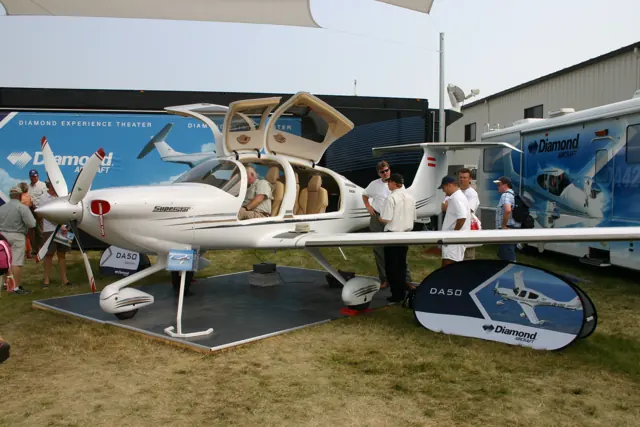
A five-seat composite single whose development led to the diesel DA50 RG.
This is AirframeDB’s first release. More features and aircraft research are planned. Leave your email if you’d like occasional updates.