X-Plane
Lancair Legacy ↗
A two-seat composite kit aircraft developed from the Lancair 320.
1 implementations+ Compare
Explore the aircraft. Find your simulator. Follow the sources.
A two-seat composite kit aircraft developed from the Lancair 320.
A composite amphibian that carries Dornier's centreline engine arrangement into the turboprop era.
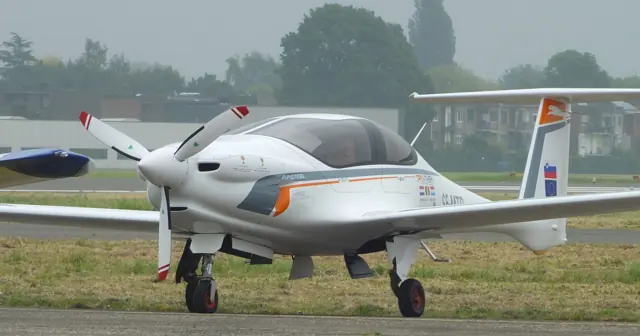
Pipistrel's streamlined four-seat composite-aircraft design.
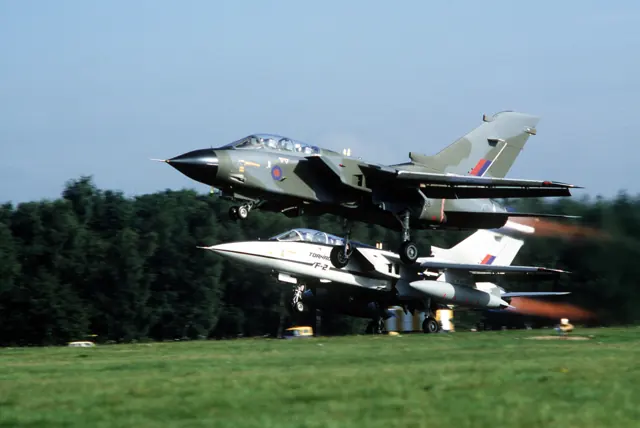
A European variable-sweep combat-aircraft family with distinct strike and interceptor versions.
A full-length double-deck airliner built for very high passenger capacity.
A two-seat composite light-aircraft family with a high wing and a compact enclosed cabin.
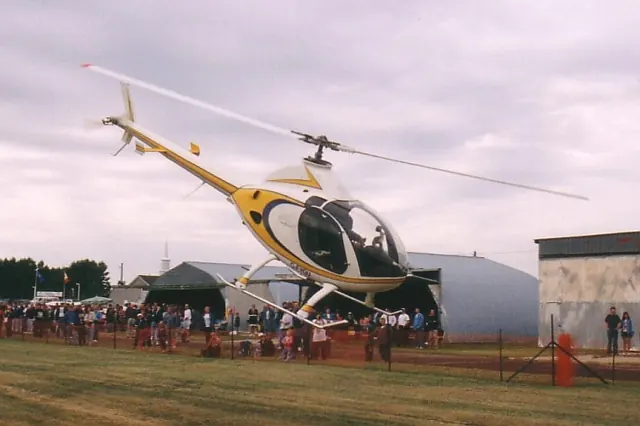
RotorWay's two-seat kit-helicopter family, with piston and turbine simulator interpretations.
A post-war Czech light twin with a rounded cabin and engines carried on a low wing.
Tecnam's four-seat high-wing single, built with metal and carbon-fibre components.
A post-war Businessliner with a radial engine, cabin transport ambitions and tailwheel gear.
A purpose-built agricultural aircraft that also became a single-engine air tanker.
A two-seat naval fighter with variable-sweep wings and a cockpit built around pilot and radar-intercept officer roles.
Regional flying built around a high wing, two turboprops and short sectors.
A short-field Savage with leading-edge slats and a distinct Got Friends simulator implementation.
A DC-10-derived tanker that combined aerial refuelling with passenger and cargo transport.
A high-wing twin turboprop developed for regional freight and passenger transport.
A military transport developed from the DC-3, used for cargo, troops, parachuting and glider towing.
A purpose-built aerobatic monoplane family developed by pilot and designer Walter Extra.
A specialised reconnaissance aircraft designed for very high altitude and sustained supersonic flight.
A carrier-capable multirole fighter, larger than the earlier Hornet from which it developed.
A two-seat training single with a high wing and fixed tricycle landing gear.
A twin-aisle Boeing designed alongside the 757's generation of two-pilot flight decks.
A tailwheel utility single built around a high wing and a substantial working cabin.
A Swedish reconnaissance and dive-bombing aircraft from the early 1940s.
This is AirframeDB’s first release. More features and aircraft research are planned. Leave your email if you’d like occasional updates.