MSFS
Tecnam P2012 Traveller ↗
A utility piston twin designed for commuter and specialist transport missions.
1 implementations+ Compare
Explore the aircraft. Find your simulator. Follow the sources.
A utility piston twin designed for commuter and specialist transport missions.
The second-generation Harrier, designed around vectored thrust and short-field operation.
The four-engine wide-body whose raised flight deck created one of aviation's most recognisable profiles.
A military transport developed from the DC-3, used for cargo, troops, parachuting and glider towing.
A compact twin-engine helicopter widely used for medical, police and training work.
A tandem-seat light aircraft with a streamlined low-wing layout.
A three-engine airliner that became a mainstay of Soviet and Russian passenger transport.
A two-seat composite trainer with a low wing and a large canopy.
An open, single-seat ultralight with its propeller behind the pilot.
A streamlined light twin helicopter, with the later Bell 230 in the same family.
A pressurised single turboprop with a large cargo door and a broad range of working roles.
A super-midsize business jet with a swept wing, rear-mounted engines and an integrated glass cockpit.
A twin-radial airliner that helped make practical passenger transport a regular business.
A very large single-engine biplane designed for practical work from modest airfields.
A midsize business jet developed by Bombardier’s Learjet division.
A pioneering all-metal transport with an enclosed passenger cabin and corrugated skin.
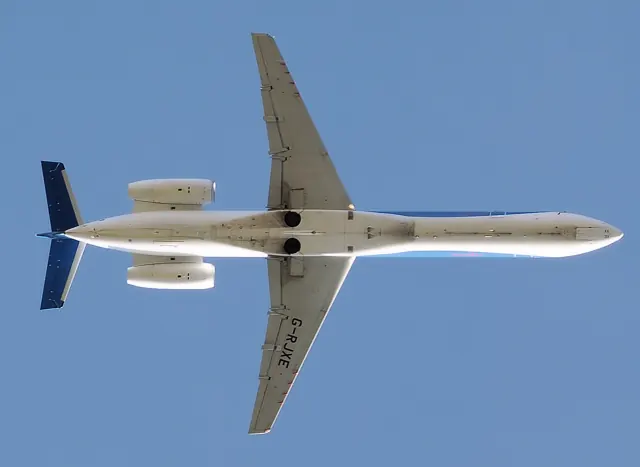
Embraer's regional-jet family, from the ERJ 135 to the longer ERJ 145.
Cirrus's first type-certified aircraft, a composite piston single.
A composite, low-wing touring single with fixed gear and a turbocharged engine.
A compact utility helicopter distinguished by its enclosed Fenestron tail rotor.
A post-war Businessliner with a radial engine, cabin transport ambitions and tailwheel gear.
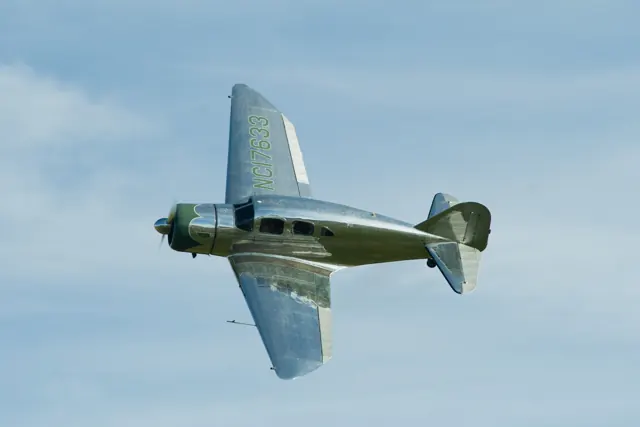
A late-1930s cabin aircraft with metal construction and retractable landing gear.
A heavy transport helicopter whose two large rotors remove the need for a tail rotor.
A 1920s flying boat with two engines arranged in tandem above the wing.
This is AirframeDB’s first release. More features and aircraft research are planned. Leave your email if you’d like occasional updates.