X-Plane
Lancair Evolution ↗
A four-seat, pressurised kit aircraft with a composite airframe and retractable landing gear.
1 implementations+ Compare
Explore the aircraft. Find your simulator. Follow the sources.
A four-seat, pressurised kit aircraft with a composite airframe and retractable landing gear.
The Huey: a turbine-powered utility helicopter with a broad cabin and an unmistakable two-bladed rotor.
A three-engine airliner that became a mainstay of Soviet and Russian passenger transport.
A twin-hull flying boat with its engines mounted together above the wing.
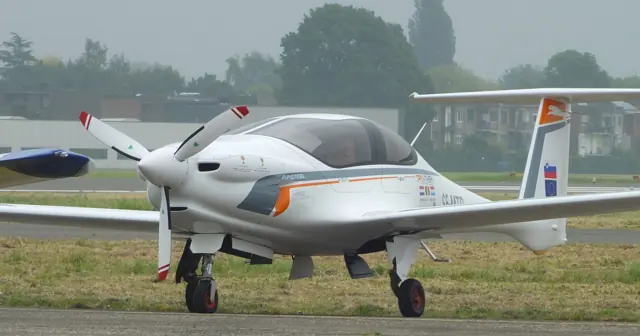
A two-seat composite trainer with a low wing and a large canopy.
A large twin-engine helicopter from the Super Puma line, used for offshore and public-service work.
A four-seat high-wing single that spans generations of conventional instruments and glass cockpits.
A rear-engined trijet built to bring jet service to shorter routes and smaller airports.
Pipistrel's streamlined four-seat composite-aircraft design.
A midsize business jet developed by Bombardier’s Learjet division.
A short-haul jet family that evolved through several generations of engines, wings and flight decks.
The Mitchell medium bomber, named for aviation advocate Billy Mitchell.
A military liaison aircraft built around a high wing, tandem cabin and short-field utility work.
A four-engine Airbus wide-body developed in parallel with the A330.
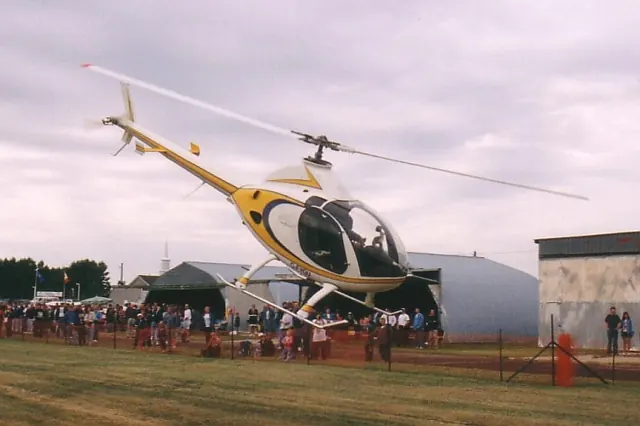
RotorWay's two-seat kit-helicopter family, with piston and turbine simulator interpretations.
A light turbine helicopter whose land-based Scout and naval Wasp branches served different jobs.
A single-seat competition sailplane offered in Standard and 18-metre configurations.
The four-engine Flying Fortress, a major American bomber of the Second World War.
A pressurised touring twin whose piston and turbine-conversion versions make a particularly interesting comparison.
A composite, low-wing touring single with fixed gear and a turbocharged engine.
A two-seat composite kit aircraft developed from the Lancair 320.
A personal jet with one engine above the rear fuselage and a distinctive V-tail.
The CJ4 belongs to Cessna's light-jet line, with two rear-mounted engines and a T-tail.
A French two-seat aerobatic trainer with side-by-side seating and a distinctive curved wing outline.
This is AirframeDB’s first release. More features and aircraft research are planned. Leave your email if you’d like occasional updates.