MSFS
Junkers F13 ↗
A pioneering all-metal transport with an enclosed passenger cabin and corrugated skin.
1 implementations+ Compare
Explore the aircraft. Find your simulator. Follow the sources.
A pioneering all-metal transport with an enclosed passenger cabin and corrugated skin.
A long-range strategic bomber with a swept wing and eight jet engines in paired pods.
A compact racing aeroplane built around a large radial engine and very short fuselage.
Epic's experimental light-jet project, represented in simulation by Aerobask.
A heavy transport helicopter whose two large rotors remove the need for a tail rotor.
A long-range twin whose programme emphasised composite construction and more electrically powered systems.
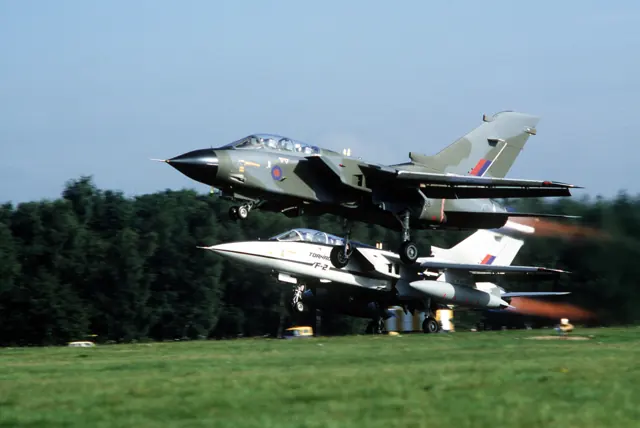
A European variable-sweep combat-aircraft family with distinct strike and interceptor versions.
Ted Smith's piston twin, later produced by Piper as the Aerostar.
A tandem-seat homebuilt jet with composite construction and retractable landing gear.
A post-war Czech light twin with a rounded cabin and engines carried on a low wing.
A midsize business jet developed by Bombardier’s Learjet division.
A two-seat Tecnam high-wing aircraft combining composite and metal construction.
A pioneering light helicopter whose bubble cabin and exposed structure became widely recognisable.
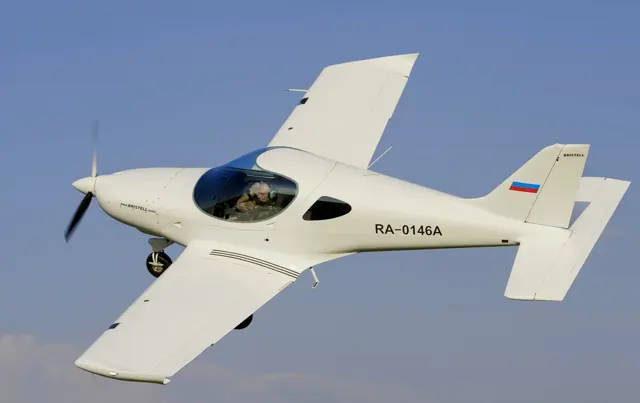
BRM Aero's two-seat B23, represented in MSFS by Airfoillabs.
A twin-radial airliner that helped make practical passenger transport a regular business.
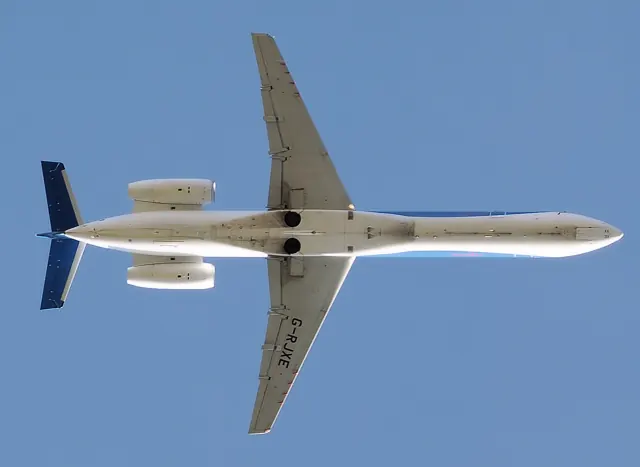
Embraer's regional-jet family, from the ERJ 135 to the longer ERJ 145.
A high-wing utility turboprop designed for short-field passenger and cargo work.
A First World War trainer that became a familiar sight in the barnstorming era.
A 1920s transport family that developed from a single-engine airliner into a trimotor.
The four-engine Flying Fortress, a major American bomber of the Second World War.
A two-seat composite trainer with a low wing and a large canopy.
A regional jet family with four small engines, a high wing and a large split tail airbrake.
A light tandem-seat taildragger built around the familiar braced high-wing layout.
The second-generation Harrier, designed around vectored thrust and short-field operation.
This is AirframeDB’s first release. More features and aircraft research are planned. Leave your email if you’d like occasional updates.