MSFS
ICON A5 ↗
A two-seat light amphibian with a compact boat hull and a pusher propeller.
2 implementations+ Compare
Explore the aircraft. Find your simulator. Follow the sources.
A two-seat light amphibian with a compact boat hull and a pusher propeller.
A pioneering light helicopter whose bubble cabin and exposed structure became widely recognisable.
A wooden touring-aircraft family recognisable by the upward-angled outer wing panels.
TorqueSim's Pocket Rocket, a simulated PT6-powered light aircraft with two gear layouts.
A composite amphibian that carries Dornier's centreline engine arrangement into the turboprop era.
Diamond's four-seat light twin, developed with diesel-powered versions.
The fixed-gear, six-cylinder touring branch of Piper's PA-28 family.
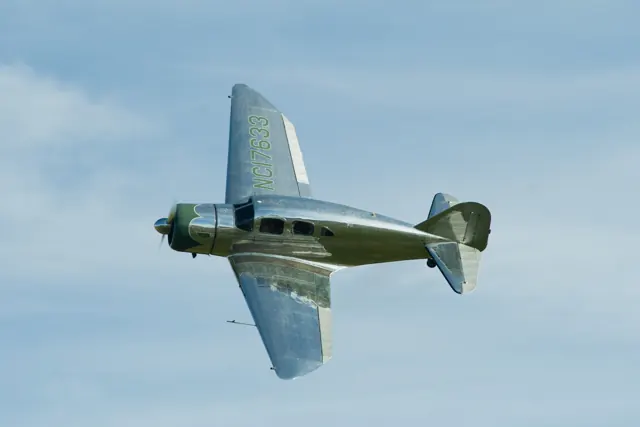
A late-1930s cabin aircraft with metal construction and retractable landing gear.
A British utility twin built around short regional and practical transport work.
A modern utility single whose family includes both tailwheel and nosewheel configurations.
A vast inter-war flying boat with twelve engines arranged in six paired installations.
A long-range fighter whose different engine and canopy developments produced several distinct forms.
A family of single-aisle airliners built around sidesticks, electronic flight controls and a shared cockpit.
A pressurised touring twin whose piston and turbine-conversion versions make a particularly interesting comparison.
A large twin-engine helicopter from the Super Puma line, used for offshore and public-service work.
A two-seat training single with a high wing and fixed tricycle landing gear.
A twin-turboprop regional airliner developed through Swedish and American industrial cooperation.
A stretched development of the DC-9 with rear-mounted engines and a five-abreast cabin.
A twin-engine utility helicopter with roots in the BK 117 and EC145 families.
Beechcraft's Model 76, designed to introduce pilots to twin-engine flying.
A composite, low-wing touring single with fixed gear and a turbocharged engine.
An open-cockpit biplane trainer that found a second life in civilian flying.
The purpose-built Ryan monoplane used by Charles Lindbergh for his 1927 solo Atlantic crossing.
An amphibious turboprop designed around scooping water and delivering it to fires.
This is AirframeDB’s first release. More features and aircraft research are planned. Leave your email if you’d like occasional updates.