MSFS X-Plane
Embraer E-Jets ↗
A four-abreast regional-jet family spanning the E170, E175, E190 and E195.
2 implementations+ Compare
Explore the aircraft. Find your simulator. Follow the sources.
A four-abreast regional-jet family spanning the E170, E175, E190 and E195.
A two-seat naval fighter with variable-sweep wings and a cockpit built around pilot and radar-intercept officer roles.
A corrugated-metal, three-engine transport from the formative years of airline travel.
A 1920s flying boat with two engines arranged in tandem above the wing.
A hybrid-electric regional-airliner concept represented in the simulator while the real programme develops.
A two-seat training single with a high wing and fixed tricycle landing gear.
A low-wing piston twin that carries the Beechcraft touring-aircraft lineage into two-engine flying.
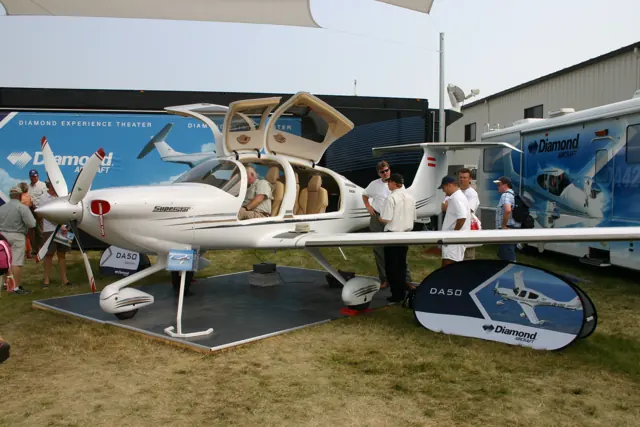
A five-seat composite single whose development led to the diesel DA50 RG.
A twin-radial military transport with a rear ramp and short-field design priorities.
A tandem-seat utility aircraft whose light structure and high wing suit bush, towing and recreational work.
A single-seat aerobatic monoplane that also became a familiar air-racing aircraft.
A composite amphibian that carries Dornier's centreline engine arrangement into the turboprop era.
A compact Italian light twin with a shoulder wing and metal airframe.
A four-engine airliner that brought pressurised-cabin travel into scheduled service.
A tandem two-seat sailplane designed for instruction and broader soaring use.
An unpowered military cargo glider designed to deliver troops and equipment behind a tow aircraft.
A four-seat kit-built touring aircraft that expanded the RV family beyond two-seat designs.
A push-pull twin with one engine at each end of the central fuselage.
An all-metal sport and touring aircraft from Bayerische Flugzeugwerke.
Two related Dutch regional jets developed from the F28 lineage.
A small observation-helicopter family with a rounded cabin and compact rotor system.
An amphibious turboprop designed around scooping water and delivering it to fires.
A two-seat composite trainer with a low wing and a large canopy.
The second-generation Harrier, designed around vectored thrust and short-field operation.
This is AirframeDB’s first release. More features and aircraft research are planned. Leave your email if you’d like occasional updates.