MSFS
Beechcraft Duke ↗
A pressurised touring twin whose piston and turbine-conversion versions make a particularly interesting comparison.
1 implementations+ Compare
Explore the aircraft. Find your simulator. Follow the sources.
A pressurised touring twin whose piston and turbine-conversion versions make a particularly interesting comparison.
A single-seat aerobatic monoplane that also became a familiar air-racing aircraft.
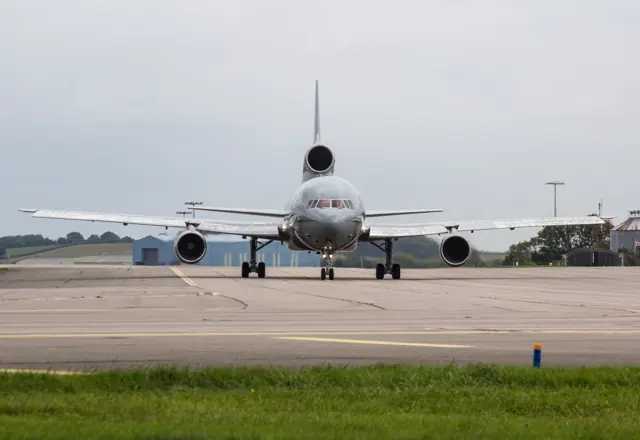
Lockheed's wide-body TriStar, with three RB211 engines and a distinctive tail intake.
A four-abreast regional-jet family spanning the E170, E175, E190 and E195.
A tandem-seat homebuilt jet with composite construction and retractable landing gear.
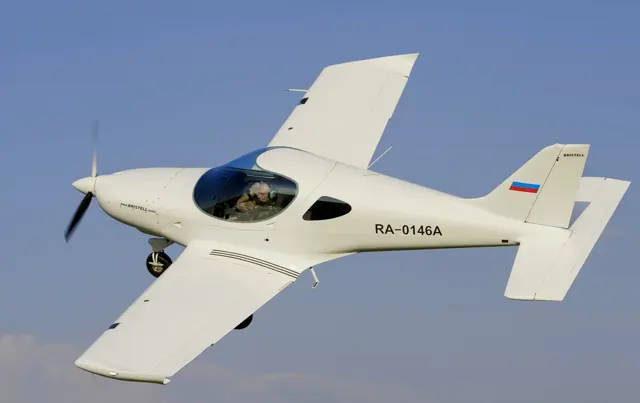
BRM Aero's two-seat B23, represented in MSFS by Airfoillabs.
The Mitchell medium bomber, named for aviation advocate Billy Mitchell.
A two-seat, twin-engine fighter that served naval and land-based air forces in many roles.
A light turbine helicopter whose land-based Scout and naval Wasp branches served different jobs.
A streamlined twin-engine helicopter with a Fenestron tail rotor and retractable landing gear.
A compact Italian light twin with a shoulder wing and metal airframe.
An enclosed, two-seat autogyro with side-by-side seating and a pusher propeller.
SOCATA's touring-aircraft family, including the Tobago and Trinidad.
A high-wing utility aircraft known for short-field work and a broad choice of working configurations.
A radial-engined utility aircraft closely associated with bush flying and float operations.
A four-engine airliner that brought pressurised-cabin travel into scheduled service.
A box-shaped utility twin whose cabin and rear access are central to its design.
A four-seat, pressurised kit aircraft with a composite airframe and retractable landing gear.
A long-range fighter whose different engine and canopy developments produced several distinct forms.
A five-seat turbine helicopter developed from Robinson's smaller piston-helicopter line.
A heavy transport helicopter whose two large rotors remove the need for a tail rotor.
Tecnam's two-seat, low-wing Sierra, introduced in the early 2000s.
The purpose-built Ryan monoplane used by Charles Lindbergh for his 1927 solo Atlantic crossing.
The Wilga is the real-aircraft starting point for Mike Patey's DRACO and the simulator's DRACO X.
This is AirframeDB’s first release. More features and aircraft research are planned. Leave your email if you’d like occasional updates.