MSFS X-Plane
Beechcraft King Air family ↗
A twin-turboprop family whose smaller conventional-tail and larger T-tail branches have distinct identities.
7 implementations+ Compare
Explore the aircraft. Find your simulator. Follow the sources.
A twin-turboprop family whose smaller conventional-tail and larger T-tail branches have distinct identities.
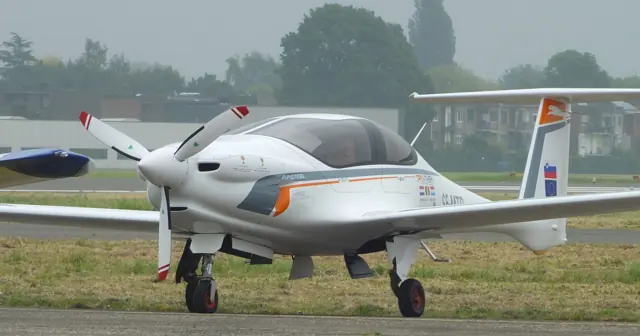
Pipistrel's streamlined four-seat composite-aircraft design.
A twin-aisle Boeing designed alongside the 757's generation of two-pilot flight decks.
A low-wing piston twin that carries the Beechcraft touring-aircraft lineage into two-engine flying.
Tecnam's four-seat high-wing single, built with metal and carbon-fibre components.
The fixed-gear, six-cylinder touring branch of Piper's PA-28 family.
A pressurised twin turboprop with a canard, composite airframe and rear-facing propellers.
The four-engine Flying Fortress, a major American bomber of the Second World War.
A six-engine flying boat created for long-distance passenger travel over water.
A compact racing aeroplane built around a large radial engine and very short fuselage.
A hybrid-electric regional-airliner concept represented in the simulator while the real programme develops.
A twin-turbine Huey descendant with a four-blade main rotor.
A box-shaped utility twin whose cabin and rear access are central to its design.
A twin-engine business jet designed to retain some of the utility flexibility associated with the PC-12.
A streamlined twin-engine helicopter with a Fenestron tail rotor and retractable landing gear.
A regional jet family with four small engines, a high wing and a large split tail airbrake.
A large twin-engine helicopter from the Super Puma line, used for offshore and public-service work.
A compact aerobatic biplane family with both single-seat and tandem-seat branches.
A twin-engine utility helicopter with roots in the BK 117 and EC145 families.
A radial-engine trainer that also served in combat and civilian warbird roles.
The JetRanger and LongRanger family: a familiar turbine-helicopter shape with distinct cabin lengths.
The purpose-built Ryan monoplane used by Charles Lindbergh for his 1927 solo Atlantic crossing.
A French two-seat aerobatic trainer with side-by-side seating and a distinctive curved wing outline.
A post-war Businessliner with a radial engine, cabin transport ambitions and tailwheel gear.
This is AirframeDB’s first release. More features and aircraft research are planned. Leave your email if you’d like occasional updates.