MSFS
Ryan NYP “Spirit of St. Louis” ↗
The purpose-built Ryan monoplane used by Charles Lindbergh for his 1927 solo Atlantic crossing.
2 implementations+ Compare
Explore the aircraft. Find your simulator. Follow the sources.
The purpose-built Ryan monoplane used by Charles Lindbergh for his 1927 solo Atlantic crossing.
A four-engine tactical transport built around a rear loading ramp and access to austere airfields.
A composite, low-wing touring single with fixed gear and a turbocharged engine.
A composite amphibian that carries Dornier's centreline engine arrangement into the turboprop era.
A military liaison aircraft built around a high wing, tandem cabin and short-field utility work.
A radial-engined utility aircraft closely associated with bush flying and float operations.
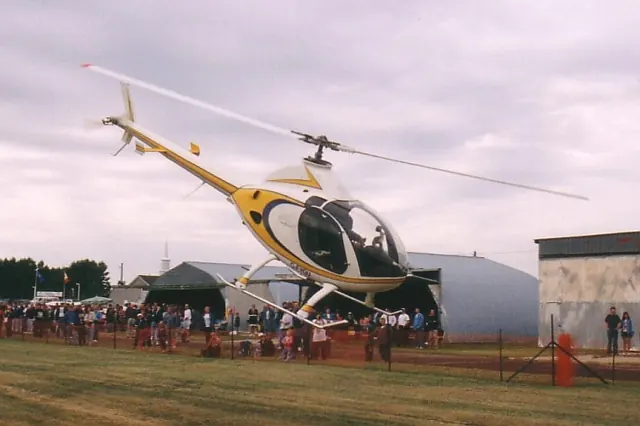
RotorWay's two-seat kit-helicopter family, with piston and turbine simulator interpretations.
A short-field Savage with leading-edge slats and a distinct Got Friends simulator implementation.
The second-generation Harrier, designed around vectored thrust and short-field operation.
A narrow-body twin developed as a new generation of medium-range airliner.
A French two-seat aerobatic trainer with side-by-side seating and a distinctive curved wing outline.
A wartime fighter developed from the earlier Curtiss P-36.
A two-seat, twin-engine fighter that served naval and land-based air forces in many roles.
A twin-turboprop utility aircraft developed by Reims Aviation with Cessna.
A two-seat composite light-aircraft family with a high wing and a compact enclosed cabin.
A 1920s flying boat with two engines arranged in tandem above the wing.
A radial-engine trainer that also served in combat and civilian warbird roles.
A four-seat touring family whose Commander 114 added a larger engine and further refinements.
An enclosed-cabin development of the Bell 47, shaped for passenger and executive transport.
A two-seat training single with a high wing and fixed tricycle landing gear.
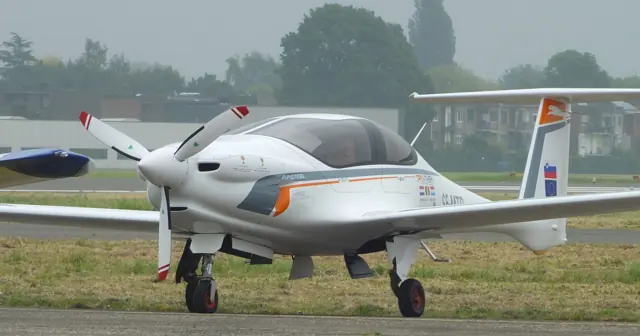
Pipistrel's streamlined four-seat composite-aircraft design.
A pioneering light helicopter whose bubble cabin and exposed structure became widely recognisable.
A push-pull twin with one engine at each end of the central fuselage.
A tandem two-seat sailplane designed for instruction and broader soaring use.
This is AirframeDB’s first release. More features and aircraft research are planned. Leave your email if you’d like occasional updates.